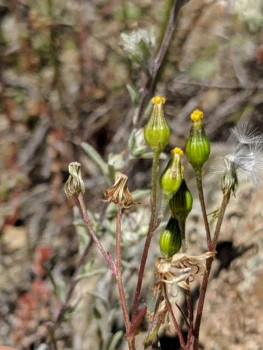
Chaparral Ragwort: A Delicate California Native for Wildflower Gardens
If you’re looking to add a touch of California’s wild beauty to your garden, chaparral ragwort (Senecio aphanactis) might just be the charming little wildflower you’ve been searching for. This delicate annual brings sunny yellow blooms and authentic native character to drought-tolerant landscapes across the Golden State.
What is Chaparral Ragwort?
Chaparral ragwort is a native California annual forb that belongs to the sunflower family. As an herbaceous plant without woody stems, it completes its entire life cycle in a single growing season, producing small, cheerful yellow daisy-like flowers that cluster together in delicate displays. This native wildflower embodies the understated elegance that makes California’s chaparral and woodland communities so special.
Where Does It Grow Naturally?
This lovely little native is endemic to California, where it naturally occurs in chaparral and woodland areas throughout the state. As a true California native, it has evolved to thrive in the region’s Mediterranean climate and unique growing conditions.
- Species observed
- No observations
Why Consider Growing Chaparral Ragwort?
There are several compelling reasons why this native annual deserves a spot in California gardens:
- Authentic native character: Supporting true California natives helps maintain regional biodiversity
- Pollinator magnet: The small yellow flowers attract native bees, butterflies, and other beneficial insects
- Low maintenance: Once established, it requires minimal care and water
- Naturalistic beauty: Perfect for creating that effortless wildflower meadow look
- Drought tolerance: Thrives in California’s dry summers with little to no supplemental water
Important Conservation Note
Before you rush out to plant chaparral ragwort, there’s something important to know: this species has an uncertain conservation status. While it’s not currently listed as endangered, its population status isn’t clearly defined. This means you should only source seeds or plants from reputable native plant nurseries that practice responsible collection methods. Never collect seeds from wild populations, as this could impact already vulnerable native stands.
Growing Chaparral Ragwort Successfully
Ready to try your hand at growing this California charmer? Here’s what you need to know:
Perfect Growing Conditions
- Sunlight: Full sun to partial shade (morning sun is ideal)
- Soil: Well-draining soil is essential – soggy conditions are a no-go
- Climate zones: USDA zones 8-10, perfect for California’s climate
- Water needs: Drought tolerant once established, minimal summer water
Planting and Care Tips
Growing chaparral ragwort is refreshingly straightforward:
- Timing: Direct sow seeds in fall for spring germination
- Soil prep: Ensure good drainage – amend clay soils with sand or gravel if needed
- Watering: Water lightly during germination, then reduce as plants establish
- Maintenance: Minimal care required – let it do its thing naturally
- Self-seeding: Allow plants to set seed for natural reseeding the following year
Garden Design Ideas
Chaparral ragwort shines in several garden settings:
- Native wildflower meadows: Mix with other California natives for an authentic look
- Drought-tolerant landscapes: Perfect companion for other water-wise natives
- Naturalized areas: Ideal for less formal garden spaces
- Pollinator gardens: Essential component of native bee and butterfly habitat
The Bottom Line
Chaparral ragwort offers California gardeners a wonderful opportunity to grow an authentic native annual that supports local wildlife while adding delicate beauty to drought-tolerant landscapes. While its conservation status requires careful sourcing, this charming wildflower rewards gardeners with cheerful blooms and the satisfaction of growing a true piece of California’s natural heritage. Just remember to source responsibly and let this lovely native show you how beautiful simplicity can be in the garden.