Chaparral Silktassel: A Drought-Loving Native Gem for Your California Garden
If you’re looking for a tough, beautiful native shrub that laughs in the face of drought while providing year-round interest, meet the chaparral silktassel (Garrya congdonii). This underappreciated California native deserves a spot in more gardens, especially if you’re aiming for a water-wise landscape that supports local wildlife.
What Makes Chaparral Silktassel Special?
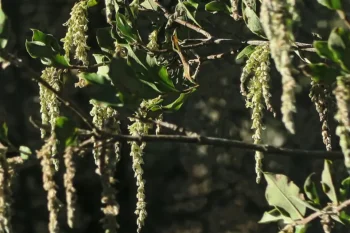
Chaparral silktassel is a perennial evergreen shrub that typically grows 6-12 feet tall and wide, though it can reach up to 16 feet under ideal conditions. What really sets this plant apart are its distinctive drooping catkins – those elegant, tassel-like flower clusters that dangle from the branches like nature’s own holiday decorations. These catkins appear in late winter to early spring, providing crucial early-season nectar when few other plants are blooming.
The plant’s leathery, dark green leaves create a dense, attractive backdrop year-round, making it excellent for screening or as a structural element in the landscape. Despite its refined appearance, this is one tough customer that can handle California’s challenging growing conditions with grace.
Where Does It Come From?
This shrub is a true California native, found naturally in chaparral and oak woodland communities throughout the state. It’s perfectly adapted to the Mediterranean climate patterns that define much of California – wet winters and bone-dry summers.
- Species observed
- No observations
A Word About Rarity
Before you rush out to plant one, there’s something important to know: chaparral silktassel has a conservation status that suggests it may be somewhat uncommon in parts of its range. While this absolutely shouldn’t discourage you from growing it, make sure you source your plant from a reputable native plant nursery that uses responsibly collected seed or ethically propagated material. Never collect plants from the wild.
Perfect for These Garden Styles
Chaparral silktassel shines in several garden settings:
- Native plant gardens: An authentic California native that pairs beautifully with manzanitas, ceanothus, and California poppies
- Mediterranean gardens: Its drought tolerance makes it a natural fit alongside lavender, rosemary, and olive trees
- Wildlife gardens: Those early catkins are pollinator magnets, and the dense foliage provides nesting sites
- Screening plantings: Creates an attractive, low-maintenance privacy screen
- Xeriscapes: Once established, it needs minimal supplemental water
Growing Conditions and Care
The beauty of chaparral silktassel lies in its simplicity. This plant thrives in USDA hardiness zones 8-10 and prefers:
- Sunlight: Full sun to partial shade (though it flowers best with more sun)
- Soil: Well-draining soil is absolutely essential – it won’t tolerate soggy conditions
- Water: Drought tolerant once established, but appreciates occasional deep watering during the driest months
- Maintenance: Minimal pruning needed; just remove dead or damaged branches
Planting Tips for Success
For the best results with your chaparral silktassel:
- Plant in fall to give roots time to establish before the summer heat
- Dig a hole only as deep as the root ball but twice as wide
- Don’t amend the soil unless drainage is truly poor
- Water regularly the first year, then back off to occasional deep watering
- Mulch around the base to conserve moisture and suppress weeds
Wildlife Benefits
Your local pollinators will thank you for planting chaparral silktassel. The early-blooming catkins provide crucial nectar when spring flowers are still scarce, supporting bees and other beneficial insects. The dense branching structure also offers excellent nesting opportunities for birds, making this plant a true wildlife magnet.
The Bottom Line
Chaparral silktassel offers that perfect combination of beauty, toughness, and ecological value that every gardener dreams of. While it may not be the flashiest plant in the nursery, its elegant form, drought tolerance, and wildlife benefits make it a smart choice for anyone looking to create a sustainable, beautiful landscape. Just remember to source it responsibly, and you’ll have a stunning native shrub that will thrive for years with minimal fuss.
Whether you’re creating a full native plant garden or just looking to add some California character to your landscape, chaparral silktassel deserves serious consideration. Your garden – and the local wildlife – will be better for it.