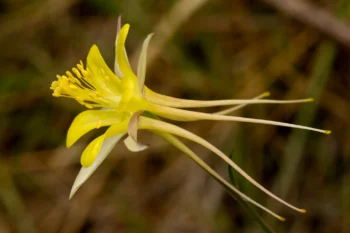
Chaplin’s Golden Columbine: A Rare Southwestern Treasure for Your Native Garden
If you’re looking to add a touch of golden sunshine to your native garden while supporting local ecosystems, Chaplin’s golden columbine (Aquilegia chrysantha var. chaplinei) might just be the perfect plant for you. This delightful perennial brings both beauty and ecological value to southwestern landscapes, though its rarity makes it a special find indeed.
Meet Chaplin’s Golden Columbine
Chaplin’s golden columbine is a herbaceous perennial forb that’s truly a southwestern native gem. Unlike some of its more common columbine cousins, this variety is endemic to just two states: New Mexico and Texas. You might also see it listed under its synonym, Aquilegia chaplinei, but regardless of the name on the plant tag, you’re getting the same lovely species.
As a perennial forb, this plant lacks woody stems but returns year after year from its root system, making it a reliable addition to your garden once established.
Where It Calls Home
This golden beauty has a rather exclusive address – you’ll find it naturally growing only in New Mexico and Texas. Its limited native range makes it a true regional specialty, perfect for gardeners who want to showcase plants that are authentically local to the American Southwest.
- Species observed
- No observations
A Word About Rarity
Here’s something important to know: Chaplin’s golden columbine has a Global Conservation Status of S4T2, which indicates it’s considered rare in the wild. This means if you’re planning to add this beauty to your garden, please make sure you’re sourcing it from reputable nurseries that propagate their plants responsibly rather than collecting from wild populations. Your garden can actually help conserve this special plant!
Why Your Garden (and Local Wildlife) Will Love It
The star of the show is undoubtedly those gorgeous golden-yellow flowers that bloom in spring and early summer. Like all columbines, the flowers feature distinctive spurs that aren’t just for show – they’re actually perfectly designed landing pads and nectar sources for hummingbirds and long-tongued bees. If you’re trying to create a pollinator-friendly garden, this plant earns serious bonus points.
The delicate, divided foliage provides a lovely textural contrast to other southwestern natives, and the overall plant form adds an elegant, naturalistic feel to garden beds.
Perfect Garden Roles
Chaplin’s golden columbine shines in several garden settings:
- Native plant gardens where it can mingle with other southwestern species
- Xeriscape designs that celebrate drought-tolerant beauty
- Rock gardens where its delicate form provides a soft contrast to harder elements
- Naturalistic landscapes that mimic the wild southwestern terrain
- Pollinator gardens designed to support local hummingbirds and native bees
Growing Chaplin’s Golden Columbine Successfully
The good news is that this native beauty isn’t particularly fussy once you understand its preferences. Here’s how to keep it happy:
Climate Zones: Hardy in USDA zones 4-8, making it suitable for most of the continental United States, though it’s naturally adapted to southwestern conditions.
Light Requirements: Thrives in partial shade to full sun. In hotter climates, some afternoon shade can help prevent stress during the hottest parts of summer.
Soil Needs: Well-draining soil is absolutely crucial. Like most southwestern natives, it can’t tolerate soggy conditions. Sandy or rocky soils work well, and it’s quite tolerant of poor soils once established.
Water Wisdom: While it needs regular water during establishment, mature plants are quite drought tolerant. Overwatering is more likely to cause problems than underwatering once the plant is settled in.
Planting and Care Tips
Spring is typically the best time to plant Chaplin’s golden columbine. Here are some tips for success:
- Choose a location with good drainage – this cannot be overstated!
- Water regularly during the first growing season to help establish roots
- Once established, water deeply but infrequently
- Allow plants to go to seed if you want them to naturalize (they may self-seed in favorable conditions)
- Deadhead spent flowers if you prefer a tidier look, but leave some for the seeds
- Cut back foliage in late fall or early spring
The Bottom Line
Chaplin’s golden columbine is a wonderful choice for gardeners who want to grow something truly special while supporting conservation and local ecosystems. Its rarity makes it a conversation starter, its golden blooms bring joy to both gardeners and pollinators, and its drought tolerance makes it practical for water-wise landscapes.
Just remember to source your plants responsibly from reputable nurseries, and you’ll be helping ensure this southwestern treasure continues to brighten gardens for generations to come. Your hummingbirds will definitely thank you!