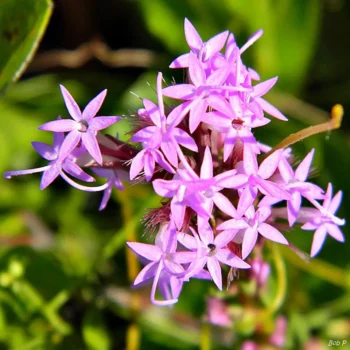
Chapman’s Blazing Star: A Rare Gem for Your Native Garden
If you’re looking to add a touch of wild elegance to your garden while supporting local ecosystems, Chapman’s blazing star might just be your new favorite native plant. This southeastern beauty brings unique charm and important ecological benefits to the right garden setting.
What Makes Chapman’s Blazing Star Special?
Chapman’s blazing star (Liatris chapmanii) is a perennial wildflower native to the southeastern United States. Unlike many of its Liatris cousins, this species has a distinctive flowering pattern – its purple-pink blooms open from the top of the flower spike downward, creating a cascading effect that’s simply mesmerizing.
This herbaceous perennial lacks woody stems but makes up for it with striking vertical flower spikes that can reach 2-4 feet tall. The grass-like foliage forms neat clumps at the base, making it an excellent choice for adding texture and height variation to your plantings.
Where Does Chapman’s Blazing Star Call Home?
Chapman’s blazing star is native to Alabama, Florida, and Georgia, where it naturally grows in sandy, well-drained soils. This regional native has adapted perfectly to the challenging conditions of the southeastern coastal plain.
- Species observed
- No observations
Important Conservation Note
Before you rush out to plant Chapman’s blazing star, there’s something crucial you need to know: this plant is considered rare, with a critically imperiled status (S1) in Alabama. This means it’s at high risk of extinction in that state. If you choose to grow this beautiful native, please ensure you source it from reputable native plant nurseries that propagate their own stock rather than collecting from wild populations.
Why Your Garden (and Local Wildlife) Will Love It
Chapman’s blazing star isn’t just a pretty face – it’s a pollinator powerhouse! The nectar-rich flowers are magnets for:
- Butterflies, especially monarchs during their fall migration
- Native bees and other beneficial insects
- Hummingbirds occasionally visit the blooms
The seeds that follow the flowers provide food for birds, making this plant a year-round wildlife supporter.
Perfect Garden Situations
Chapman’s blazing star thrives in:
- Native plant gardens focused on southeastern species
- Pollinator gardens and butterfly habitats
- Naturalized meadow areas
- Xeriscaping projects in appropriate climate zones
- Rain gardens (if drainage is excellent)
Growing Conditions and Care
This southeastern native is surprisingly easy to grow once you understand its needs:
Climate: Hardy in USDA zones 8-10, perfectly suited to the warm, humid conditions of the Southeast.
Sunlight: Full sun is essential – at least 6-8 hours of direct sunlight daily for best flowering.
Soil: Well-drained, sandy soil is crucial. This plant absolutely cannot tolerate wet feet or heavy clay soils.
Water: Drought tolerant once established, but appreciates occasional deep watering during extended dry spells.
Planting and Care Tips
Getting Chapman’s blazing star established is straightforward:
- Plant in fall or early spring for best establishment
- Ensure excellent drainage – consider raised beds or amended sandy areas if your soil is heavy
- Space plants 12-18 inches apart
- Water regularly the first season, then reduce as plants establish
- Deadhead spent flowers for tidiness, or leave them for wildlife food
- Cut back foliage in late winter before new growth emerges
The Bottom Line
Chapman’s blazing star is a wonderful choice for gardeners in the Southeast who want to support native ecosystems while enjoying a truly unique flowering plant. Its rarity makes it even more special – by growing it responsibly, you’re participating in conservation efforts while creating habitat for pollinators.
Just remember: source responsibly, provide excellent drainage, and give it plenty of sun. In return, you’ll have a low-maintenance native that brings both beauty and ecological value to your garden year after year.