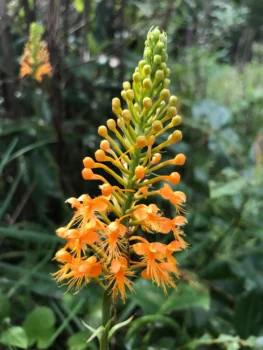
Chapman’s Fringed Orchid: A Rare Native Gem Worth Protecting
If you’re the type of gardener who gets excited about finding truly unique native plants, Chapman’s fringed orchid (Platanthera chapmanii) might just make your heart skip a beat. This delicate white orchid is one of the Southeast’s most enchanting wildflowers, but before you start planning where to plant it, there are some important things you need to know about this rare beauty.
What Makes Chapman’s Fringed Orchid Special?
Chapman’s fringed orchid is a perennial forb that produces stunning spikes of small, white flowers with distinctively fringed petals. Growing 1 to 3 feet tall, this native orchid typically blooms in late summer to early fall, creating an ethereal display that seems almost too delicate for this world. The flowers are wonderfully fragrant, especially in the evening, when they release their sweet scent to attract nighttime pollinators.
Where Does It Call Home?
This orchid is native to a very specific region of the southeastern United States, naturally occurring in Florida, Georgia, and eastern Texas. You’ll find it growing wild in wet pine savannas, bogs, and other wetland areas where the soil stays consistently moist and acidic.
- Species observed
- No observations
A Word of Caution: This Plant is Rare
Here’s where things get serious. Chapman’s fringed orchid has a Global Conservation Status of S2, meaning it’s considered imperiled due to extreme rarity. With typically only 6 to 20 known occurrences and possibly fewer than 3,000 individual plants remaining in the wild, this orchid is teetering on the edge of vulnerability.
If you’re determined to grow this plant, you must only source it from reputable native plant nurseries that propagate it responsibly – never collect from the wild. Better yet, consider supporting habitat conservation efforts instead of trying to grow it in your garden.
Garden Role and Landscape Use
In the right setting, Chapman’s fringed orchid can be a showstopper in:
- Specialized bog gardens
- Wetland restoration projects
- Native plant collections
- Rain gardens with consistently wet conditions
This isn’t a plant for casual gardeners or typical landscape beds. It’s best suited for dedicated native plant enthusiasts who can provide very specific growing conditions.
Growing Conditions: Not for Beginners
Let’s be honest – Chapman’s fringed orchid is extremely challenging to grow. As a facultative wetland plant, it requires:
- Consistently moist to wet, acidic soil
- Full sun to partial shade
- Specific soil chemistry that mimics its native bog habitat
- USDA hardiness zones 8-10
- Complex mycorrhizal relationships with soil fungi
Most attempts to cultivate native orchids fail because these plants have evolved incredibly specific requirements that are nearly impossible to replicate in typical garden settings.
Pollinator and Wildlife Benefits
When Chapman’s fringed orchid does bloom successfully, it’s a magnet for specialized pollinators, particularly moths and butterflies that are active during twilight hours. The evening fragrance and white flowers are perfectly designed to attract these nocturnal visitors, making it an important part of the native ecosystem’s pollinator network.
Should You Plant Chapman’s Fringed Orchid?
The honest answer? Probably not, unless you’re an experienced orchid grower with the perfect bog garden setup and access to responsibly sourced plants. The combination of extreme rarity and difficult growing requirements makes this a plant better left to conservation professionals and the most dedicated native plant specialists.
Instead, consider supporting this species by:
- Donating to organizations working to protect wetland habitats
- Choosing other native wetland plants that are easier to grow
- Volunteering for habitat restoration projects
- Simply appreciating these orchids in their wild settings (but never disturbing them)
Sometimes the best way to love a plant is to let it thrive where it belongs – in the wild, where future generations can discover the magic of stumbling upon a Chapman’s fringed orchid in its natural habitat.