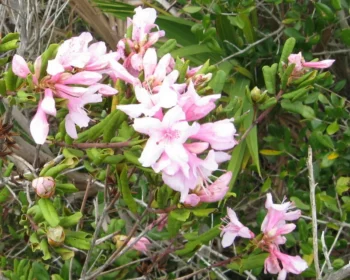
Chapman’s Rhododendron: A Rare Florida Native Worth Protecting
If you’re passionate about native plants and conservation, Chapman’s rhododendron (Rhododendron chapmanii) might just capture your heart. This petite Florida native is more than just a pretty face – it’s a botanical treasure that desperately needs our help to survive.
What Makes Chapman’s Rhododendron Special?
Chapman’s rhododendron is a compact evergreen shrub that typically grows less than 13-16 feet tall, though most specimens stay much smaller. As a perennial with multiple stems arising from the ground, it creates an attractive, bushy appearance that’s quite different from its towering tree relatives.
What really sets this plant apart are its delicate pink to rose-colored flowers that bloom in spring, creating a stunning display against its glossy green foliage. The blooms attract butterflies, bees, and other native pollinators, making it a valuable addition to any wildlife-friendly garden.
Where Does It Come From?
This remarkable shrub is endemic to Florida, meaning you won’t find it growing wild anywhere else in the world. It calls the sandy scrub habitats and pine flatwoods of central and south-central Florida home, where it has adapted to thrive in well-drained, acidic soils.
- Species observed
- No observations
A Plant in Crisis
Here’s where things get serious: Chapman’s rhododendron is critically imperiled. With a Global Conservation Status of S1 and listed as Endangered in the United States, this species typically has fewer than 5 occurrences or very few remaining individuals (less than 1,000 total). That makes every single plant incredibly precious.
If you’re considering adding this beauty to your garden, please – and we cannot stress this enough – only purchase from reputable sources that can guarantee responsibly sourced, legally propagated material. Never collect from wild populations, as this could push the species closer to extinction.
Is It Right for Your Garden?
Chapman’s rhododendron works wonderfully in:
- Native Florida plant gardens
- Conservation landscapes
- Specialized botanical collections
- Naturalized areas with similar habitat conditions
This shrub has a facultative wetland status in the Atlantic and Gulf Coastal Plain region, meaning it usually occurs in wetlands but can adapt to non-wetland conditions. This flexibility makes it potentially suitable for various garden situations, provided you can meet its specific needs.
Growing Chapman’s Rhododendron Successfully
Climate Requirements: This Florida native thrives in USDA hardiness zones 8-10, so it’s primarily suited for gardens in Florida and similar subtropical climates.
Light and Soil: Provide partial shade to filtered sunlight and well-drained sandy soils. Like most rhododendrons, it prefers acidic conditions, so test your soil pH and amend if necessary.
Planting and Care Tips:
- Ensure excellent drainage – waterlogged roots are a death sentence for this plant
- Mulch around the base to retain moisture without creating soggy conditions
- Water carefully, allowing soil to dry between waterings
- Protect from harsh winds that can damage the delicate foliage
- Avoid fertilizers high in phosphorus, as rhododendrons are sensitive to excess phosphorus
Supporting Conservation Through Gardening
By growing Chapman’s rhododendron responsibly, you’re not just adding a unique plant to your collection – you’re participating in conservation efforts. Every garden that successfully cultivates this species helps ensure genetic diversity and provides backup populations should wild habitats face further threats.
Remember, the key word here is responsibly. Always verify that any Chapman’s rhododendron you purchase comes from legal propagation efforts, not wild collection. Many botanical gardens and specialized native plant nurseries are working to propagate rare species like this one, so do your homework and support these conservation-minded sources.
Chapman’s rhododendron may be small and rare, but it represents something much larger: our commitment to preserving Florida’s unique botanical heritage for future generations. If you have the right conditions and can source it ethically, this little shrub might just become the crown jewel of your native plant collection.