Charleston Mountain Kittentails: A Rare Nevada Native Worth Protecting
If you’re drawn to unusual native plants with quirky names, Charleston Mountain kittentails (Synthyris ranunculina) might catch your attention. But before you start planning where to plant this Nevada native, there are some important things you should know about this remarkable little perennial.
What Makes Charleston Mountain Kittentails Special
Charleston Mountain kittentails is a small herbaceous perennial that belongs to the forb family – essentially a non-woody flowering plant that dies back to the ground each winter and returns in spring. What makes this plant truly special isn’t just its adorable common name, but its incredible rarity and unique habitat requirements.
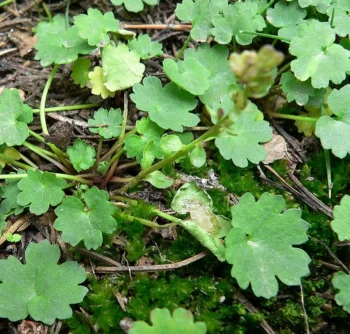
This charming native produces heart-shaped to kidney-shaped leaves and delicate spikes of blue to purple flowers that bloom in early spring, providing much-needed nectar for native pollinators when few other flowers are available.
A Nevada Treasure in Need of Protection
Charleston Mountain kittentails is found exclusively in Nevada, where it clings to existence in the high-elevation wetlands of the Charleston Mountains. This plant has a Global Conservation Status of S2, meaning it’s imperiled with only 6 to 20 known occurrences remaining. That makes it extremely rare – more precious than many plants you’ll find at your local nursery.
- Species observed
- No observations
Why This Plant is So Picky About Where It Lives
Here’s where things get interesting (and challenging): Charleston Mountain kittentails is classified as an Obligate Wetland species in the Arid West. This means it almost always occurs in wetlands and requires consistently moist to wet soil conditions to survive. In the desert climate of Nevada, these wetland pockets are like tiny oases that support this specialized plant.
The plant thrives in:
- Consistently moist to wet soils
- Partial shade conditions
- Cool, high-elevation environments
- USDA hardiness zones 5-7
Should You Grow Charleston Mountain Kittentails?
While it’s tempting to want this rare beauty in your garden, Charleston Mountain kittentails presents some serious challenges for home gardeners. Its extremely specific habitat requirements make it nearly impossible to cultivate successfully outside of its natural wetland environment.
Important conservation note: Due to its imperiled status, if you’re determined to try growing this plant, only purchase from reputable native plant nurseries that can guarantee responsibly sourced, propagated material – never wild-collected specimens.
Better Alternatives for Your Garden
If you’re attracted to the early spring blooms and pollinator benefits of Charleston Mountain kittentails, consider these more garden-friendly native alternatives:
- Other Synthyris species that are less rare and easier to grow
- Native early-blooming perennials suited to your local wetland conditions
- Regional native plants that support similar pollinators
Supporting Conservation Efforts
Rather than trying to grow this rare plant, consider supporting conservation organizations working to protect the Charleston Mountains’ unique wetland habitats. Sometimes the best way to appreciate a rare native plant is to help ensure it continues thriving in its natural home.
Charleston Mountain kittentails reminds us that not every native plant belongs in our gardens – some are meant to remain wild treasures, appreciated from afar and protected for future generations to discover.