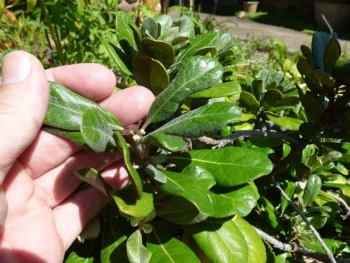
Cheesewood: A Rare Hawaiian Treasure for Your Coastal Garden
If you’re looking for a native Hawaiian plant that can handle salt spray and blazing sunshine while producing sweetly scented flowers, let me introduce you to cheesewood (Pittosporum halophilum). This remarkable shrub is a true island native with a story that every gardener should know before adding it to their landscape.
What Makes Cheesewood Special
Cheesewood is a perennial shrub that typically grows as a multi-stemmed woody plant, usually staying under 13-16 feet tall. What sets this plant apart isn’t just its tough-as-nails attitude toward coastal conditions—it’s the delightful combination of dark green, leathery leaves and clusters of small, fragrant white to cream flowers that make it a standout in any garden.
The flowers aren’t just pretty to look at; they’re magnets for pollinators, attracting native Hawaiian insects and other beneficial creatures to your garden. It’s like having a little piece of Hawaii’s natural ecosystem right in your backyard!
Where Cheesewood Calls Home
This beautiful shrub is endemic to Hawaii, meaning it’s found nowhere else in the world naturally. You’ll find it growing in Hawaii’s coastal areas and dry forests, where it has adapted to thrive in challenging conditions that would make other plants throw in the towel.
- Species observed
- No observations
A Word of Caution: This Plant Needs Our Help
Here’s where things get serious, folks. Cheesewood has a Global Conservation Status of S1, which means it’s critically imperiled. In plain English? This plant is in trouble. It’s listed as Endangered, with typically only 5 or fewer occurrences and very few remaining individuals in the wild.
What this means for gardeners: If you want to grow cheesewood, you absolutely must source it responsibly. Only purchase from reputable native plant nurseries that can guarantee their plants were propagated from legally collected seeds or cuttings—never wild-collected plants. By growing this species responsibly, you’re actually helping conservation efforts!
Perfect for Coastal and Drought-Tolerant Gardens
If you can source cheesewood responsibly, it’s an excellent choice for several garden types:
- Coastal gardens (it laughs at salt spray)
- Xeriscape and drought-tolerant landscapes
- Native Hawaiian plant gardens
- Mediterranean-style gardens
This tough little shrub serves as an excellent backdrop plant, foundation planting, or specimen plant in the right setting. Its compact form and evergreen nature make it a reliable year-round performer.
Growing Conditions and Care
Cheesewood is surprisingly easy to care for once you understand its preferences. This plant thrives in USDA hardiness zones 10-11, making it suitable for tropical and subtropical climates.
Light: Full sun to partial shade (it prefers plenty of sunshine)
Soil: Well-draining soil is absolutely crucial—this plant cannot tolerate wet feet
Water: Drought-tolerant once established, but appreciates occasional deep watering during dry spells
Special features: Salt-tolerant, making it perfect for coastal locations
Planting and Care Tips
When planting cheesewood, drainage is your best friend. If your soil tends to stay wet, consider planting in raised beds or adding plenty of coarse sand and organic matter to improve drainage.
Young plants benefit from protection from strong winds until they’re established. Once mature, they’re quite resilient. Minimal pruning is needed—just remove any dead or damaged branches as needed.
The best part? Once established, cheesewood requires very little maintenance. It’s the kind of plant that rewards you for benign neglect!
The Bottom Line
Cheesewood is a fantastic native Hawaiian plant that deserves a place in appropriate gardens, but only when sourced responsibly. Its combination of beautiful flowers, tough constitution, and ecological value makes it a winner—just remember that growing this endangered species comes with the responsibility of supporting conservation efforts.
If you can’t find responsibly sourced cheesewood, consider other native Hawaiian Pittosporum species or consult with local native plant societies for alternatives that might be more readily available. Every native plant we grow helps support local ecosystems and preserves Hawaii’s unique botanical heritage.