Chenille Pricklypear: A Spiny Texas Native That’s Worth the Prick
If you’re looking for a plant that screams Don’t mess with Texas, look no further than the chenille pricklypear (Opuntia aciculata). This distinctive cactus brings southwestern charm to your garden while requiring about as much maintenance as a pet rock – but way more personality.
What Makes Chenille Pricklypear Special?
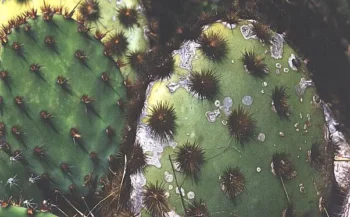
The chenille pricklypear gets its name from its fuzzy-looking appearance, created by clusters of long, needle-like spines that give it a distinctive texture. Don’t let the soft-sounding name fool you – those spines are serious business! This perennial shrub typically grows as a multi-stemmed woody plant, usually staying under 13-16 feet in height, making it a manageable size for most landscapes.
What really sets this prickly character apart is its stunning seasonal show. In spring and summer, bright yellow flowers crown the paddle-shaped segments, followed by colorful red to purple fruits that add another layer of visual interest to your garden.
Where Does It Call Home?
Chenille pricklypear is a true Texan through and through. This native species is found primarily in south-central Texas, particularly thriving in the Rio Grande Valley region. As a plant native to the lower 48 states, it’s perfectly adapted to the challenging conditions of its home turf.
- Species observed
- No observations
Why Your Garden (and Local Wildlife) Will Love It
Here’s where this spiky beauty really shines – it’s a wildlife magnet! The vibrant yellow flowers are bee and butterfly magnets, providing crucial nectar sources for pollinators. Birds love the colorful fruits, and the plant structure offers nesting sites and shelter for various wildlife species.
From a design perspective, chenille pricklypear serves as an excellent:
- Specimen plant for creating focal points
- Anchor plant in xeriscape and desert-themed gardens
- Addition to rock gardens and drought-tolerant landscapes
- Barrier plant (thanks to those impressive spines!)
Growing Conditions: Easy Does It
One of the best things about chenille pricklypear is how little fuss it makes. This drought-tolerant champion thrives in:
- Full sun locations (the more, the better!)
- Well-draining soil (soggy feet are a no-go)
- USDA hardiness zones 9-11
- Low to minimal water conditions once established
The key to success is remembering that this plant evolved in harsh, dry conditions. Overwatering is far more dangerous than underwatering.
Planting and Care Tips
When to Plant: Spring is your best bet, giving the plant time to establish before any weather extremes.
Planting Process: Dig a hole slightly larger than the root ball, place the plant, and backfill with well-draining soil. Water lightly to settle the soil, then step back and let nature do its thing.
Ongoing Care: Here’s the beautiful part – there’s not much to do! Water sparingly during the first year to help establishment, then reduce to almost nothing. In zones at the edge of its hardiness range, provide some protection from extreme cold snaps.
Important Safety Note: Always wear thick gloves and long sleeves when handling this plant. Those spines aren’t just for show, and cactus spine removal is nobody’s idea of fun.
Is Chenille Pricklypear Right for Your Garden?
This native beauty is perfect if you’re looking to:
- Support local ecosystems and wildlife
- Create a low-maintenance, drought-tolerant landscape
- Add unique texture and seasonal interest
- Embrace native plant gardening
However, it might not be the best choice if you have small children who haven’t yet learned to respect plant boundaries, or if you live outside its natural hardiness range.
For Texas gardeners especially, chenille pricklypear represents the perfect marriage of native plant benefits and low-maintenance gardening. It’s a plant that truly belongs in its landscape, supporting local wildlife while asking for almost nothing in return – except maybe a respectful distance and the occasional admiring glance at those spectacular blooms.