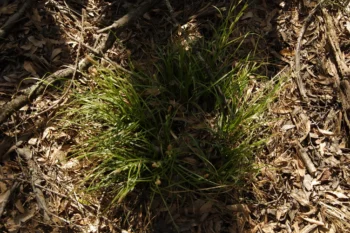
Cherokee Sedge: A Versatile Native Groundcover for Wet and Wild Spaces
If you’ve ever struggled with that perpetually soggy spot in your yard where grass refuses to grow, meet your new best friend: Cherokee sedge (Carex cherokeensis). This unassuming native sedge might not win any beauty contests, but it’s the reliable workhorse your landscape has been waiting for.
What is Cherokee Sedge?
Cherokee sedge is a perennial, grass-like plant that’s actually a true sedge, not a grass. Think of it as grass’s more adaptable cousin who doesn’t mind getting their feet wet. This native beauty forms neat clumps of narrow, arching foliage that stays green through much of the growing season, topped with small, brownish flower spikes that appear in spring.
Where Does Cherokee Sedge Call Home?
This southeastern native has quite the range, naturally occurring across 15 states from Virginia down to Florida and west to Texas, Oklahoma, and Missouri. You’ll also find it in Alabama, Arkansas, Georgia, Kentucky, Louisiana, Mississippi, North Carolina, Ohio, South Carolina, and Tennessee. Basically, if you live in the southeastern or south-central United States, Cherokee sedge is already part of your local ecosystem.
- Species observed
- No observations
Why Your Garden Will Love Cherokee Sedge
Here’s where Cherokee sedge really shines – it’s wonderfully adaptable. Classified as a facultative wetland plant across all regions, it’s equally happy in wet soils and surprisingly tolerant of drier conditions once established. This makes it perfect for:
- Rain gardens and bioswales
- Pond edges and wetland areas
- Woodland borders and naturalized landscapes
- Erosion control on slopes
- Low-maintenance groundcover in challenging spots
Cherokee sedge thrives in USDA hardiness zones 6-9, making it suitable for most temperate gardens in its native range.
Growing Cherokee Sedge Successfully
The beauty of Cherokee sedge lies in its simplicity. This is not a plant that demands constant attention or special treatment. Here’s how to keep it happy:
Light Requirements: Cherokee sedge is flexible with lighting, tolerating everything from full sun to partial shade. In hotter climates, it appreciates some afternoon shade.
Soil Needs: While it prefers moist to wet soils, Cherokee sedge is surprisingly adaptable once established. It can handle periodic flooding and brief dry spells, though consistent moisture will keep it looking its best.
Planting Tips: Space plants 12-18 inches apart for groundcover use. Spring is the ideal planting time, giving the roots a full growing season to establish before winter.
Care and Maintenance: This is where Cherokee sedge really wins points for laziness – er, low maintenance. It rarely needs fertilization and actually prefers lean soils. Simply cut back the foliage in late winter or early spring before new growth emerges. Every 3-4 years, you can divide established clumps to create new plants or refresh tired-looking areas.
Wildlife and Ecological Benefits
While Cherokee sedge won’t attract clouds of butterflies (it’s wind-pollinated), it provides valuable ecosystem services. The dense clumps offer nesting materials and shelter for small wildlife, and the seeds provide food for various bird species. As a native plant, it supports local food webs and requires no pesticides or excessive watering once established.
Design Ideas and Companion Plants
Cherokee sedge works beautifully in naturalized settings where it can spread and form colonies. Pair it with other moisture-loving natives like cardinal flower, blue flag iris, or swamp milkweed for a stunning wetland garden. In drier areas, it complements woodland wildflowers and ferns nicely.
For a more formal look, use Cherokee sedge as a textural groundcover around water features or in modern rain gardens alongside architectural plants like Louisiana iris or native grasses.
Is Cherokee Sedge Right for Your Garden?
Cherokee sedge is an excellent choice if you want a low-maintenance, native groundcover that can handle wet conditions. It’s particularly valuable for gardeners dealing with drainage issues, slopes, or areas where traditional lawn grass struggles. While it won’t provide the showstopping blooms of flashier natives, its understated charm and ecological benefits make it a worthy addition to any native plant garden.
The main consideration is space – Cherokee sedge will slowly spread to form colonies, so make sure you have room for it to roam or are prepared to divide it regularly. If you’re looking for a true plant it and forget it native that earns its keep through reliability rather than razzle-dazzle, Cherokee sedge might just be your perfect match.