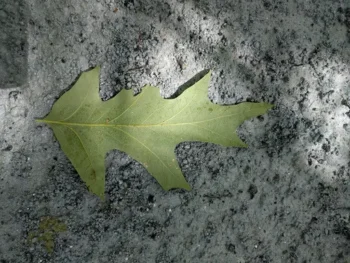
Cherrybark Oak: A Majestic Native Tree for Large Landscapes
If you’ve got the space and patience for a truly spectacular native tree, let me introduce you to the cherrybark oak (Quercus pagoda). This southeastern beauty might just be the perfect addition to your large landscape project, though it’s definitely not for every garden situation.
What Makes Cherrybark Oak Special
The cherrybark oak gets its common name from its distinctive bark, which develops attractive cherry-like characteristics as it matures, eventually becoming deeply ridged and furrowed. But what really sets this tree apart is its unique branching pattern – the limbs grow in distinctive horizontal layers that create a pagoda-like silhouette, which explains its botanical name pagoda.
This native tree is a true perennial powerhouse that can live for generations, reaching impressive heights of up to 120 feet at maturity, though you’ll see it hit about 60 feet in its first 20 years with its moderate growth rate. The single-stemmed trunk supports dense summer foliage that becomes porous in winter, and those green leaves put on a lovely fall show in yellows and browns.
Where Cherrybark Oak Calls Home
As a native species to the lower 48 states, cherrybark oak has an impressive natural range across the southeastern United States. You’ll find it growing naturally in Alabama, Arkansas, Florida, Georgia, Illinois, Indiana, Kentucky, Louisiana, Maryland, Mississippi, Missouri, New Jersey, North Carolina, Oklahoma, South Carolina, Tennessee, Texas, and Virginia.
- Species observed
- No observations
Is This Tree Right for Your Garden?
Here’s where we need to have an honest conversation about space. Cherrybark oak is definitely not a tree for small yards or urban lots. This is a tree that needs room to spread its wings – literally. It’s perfect for:
- Large residential properties with plenty of space
- Parks and public spaces
- Woodland gardens and naturalized areas
- Bottomland restoration projects
- Properties near streams or in areas that occasionally flood
The tree thrives in USDA hardiness zones 6-9, making it suitable for much of the southeastern and parts of the midwestern United States.
Growing Conditions: What Cherrybark Oak Needs
This oak has some specific preferences that you’ll want to consider:
- Soil: Prefers fine to medium-textured soils with high fertility requirements and a pH between 4.5-6.0
- Water: Medium moisture use with low drought tolerance – this tree likes consistent moisture
- Sun: Shade intolerant, so full sun is essential
- Climate: Needs at least 210 frost-free days and 40-70 inches of annual precipitation
- Special considerations: Has facultative to facultative wetland status across its range, meaning it can handle periodic flooding
Planting and Care Tips
Getting your cherrybark oak off to a good start requires some planning:
- Timing: Plant in spring during the active growing season
- Spacing: Allow 300-800 trees per acre if you’re planning multiple plantings
- Root system: Develops deep roots (minimum 36 inches), so choose your location carefully
- Propagation: Seeds require cold stratification and germinate slowly with medium seedling vigor
- Availability: Routinely available from nurseries as bare root or container plants
Young trees have medium vigor and will need consistent watering until established. The good news is that once mature, these trees have some resprout ability and can handle moderate stress.
Wildlife and Ecological Benefits
While the flowers aren’t particularly showy (they’re small and yellow), cherrybark oak plays a crucial role in native ecosystems. The tree produces abundant brown acorns from summer through fall, providing essential food for wildlife. Like other oaks, it supports countless species of birds, mammals, and insects throughout its long lifespan.
The tree blooms in mid-spring and is wind-pollinated, so while it may not attract bees like flowering shrubs do, it’s an integral part of the native food web that supports pollinators and other wildlife indirectly.
The Bottom Line
Cherrybark oak is a fantastic choice if you have the right conditions: lots of space, consistently moist soil, full sun, and patience for a tree that will become a legacy for future generations. It’s not the tree for small gardens or dry sites, but in the right location, it’s absolutely spectacular.
With its native credentials, wildlife value, and distinctive beauty, cherrybark oak represents the best of what native landscaping can offer – as long as you’ve got the room to let it shine.