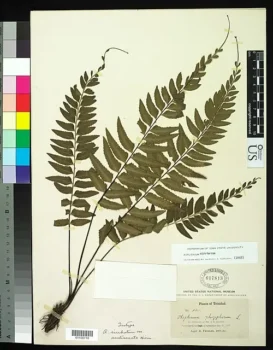
Chestnut Scale Spleenwort: A Delicate Puerto Rican Native Fern
Meet the chestnut scale spleenwort (Asplenium cirrhatum), a charming little fern that calls Puerto Rico home. While it might not be the showiest plant in your garden, this delicate native has a quiet beauty that’s perfect for those tricky shaded spots where other plants struggle to thrive.
What Exactly Is Chestnut Scale Spleenwort?
Asplenium cirrhatum is a perennial fern belonging to the spleenwort family. Like other members of its group, it reproduces through spores rather than flowers or seeds. This means you won’t see any blooms, but you’ll get something arguably more interesting – intricate, lacy fronds that add texture and year-round greenery to your landscape.
The chestnut scale part of its name likely refers to the brownish scales that appear on the frond stems, giving it a distinctive appearance that helps with identification.
Where Does It Come From?
This lovely fern is native to Puerto Rico, where it grows naturally in shaded, humid environments. As a true Puerto Rican native, it’s perfectly adapted to the island’s tropical climate and plays an important role in local ecosystems.
- Species observed
- No observations
Is It Good for Your Garden?
Absolutely! Here’s why chestnut scale spleenwort can be a wonderful addition to the right garden:
- Perfect for problem areas: Those deeply shaded spots where nothing else wants to grow? This fern might just be the answer.
- Low maintenance: Once established, native ferns typically require minimal care
- Year-round interest: As a perennial, it provides consistent greenery throughout the growing season
- Habitat value: While it doesn’t attract pollinators like flowering plants, it can provide shelter for small creatures and contributes to a naturalistic ecosystem
- Unique texture: The delicate fronds add a soft, feathery contrast to broader-leafed plants
How to Spot Chestnut Scale Spleenwort
Identifying this fern is all about looking for the details:
- Look for small to medium-sized fronds with a delicate, lacy appearance
- Check the stems for the characteristic brownish scales that give it its common name
- The fronds are typically pinnately compound, meaning they’re divided into smaller leaflets
- You’ll usually find it growing in shaded, humid locations
- Unlike flowering plants, look for spore cases (sori) on the undersides of mature fronds instead of flowers
Growing Conditions and Care
If you’re lucky enough to garden in USDA zones 10-12 (think tropical and subtropical regions), chestnut scale spleenwort could be a great fit for your landscape. Here’s what it needs to thrive:
- Light: Partial to full shade – direct sunlight is usually too harsh
- Soil: Well-draining but consistently moist, organic-rich soil
- Humidity: High humidity levels, which makes it perfect for naturally humid climates
- Water: Regular watering to maintain soil moisture, but avoid waterlogged conditions
Perfect Garden Situations
Chestnut scale spleenwort shines in:
- Shade gardens where you need reliable greenery
- Rock gardens with good drainage but consistent moisture
- Woodland or naturalistic plantings
- Tropical garden designs
- Areas with high humidity and protection from harsh sun
The Bottom Line
While chestnut scale spleenwort might not be the star of your garden show, it’s exactly the kind of reliable, native plant that forms the backbone of a healthy, sustainable landscape. If you’re gardening in its native range or a similar climate, and you have the right growing conditions, this little fern could be the perfect solution for those challenging shady spots that need something special.
Remember, supporting native plants like Asplenium cirrhatum isn’t just good for your garden – it’s good for local wildlife and helps preserve the natural heritage of Puerto Rico’s unique flora.