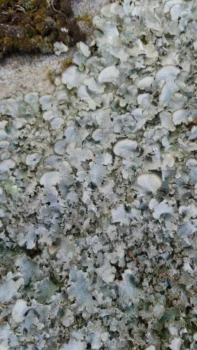
Chicita’s Giant Shield Lichen: A Natural Air Quality Indicator in Your Landscape
Have you ever noticed those crusty, leaf-like patches growing on tree bark in your yard and wondered what they are? Meet Chicita’s giant shield lichen (Cetrelia chicitae), a fascinating organism that’s part of nature’s cleanup crew and a living testament to the health of your local environment.
What Exactly Is Chicita’s Giant Shield Lichen?
Despite its name suggesting it’s a plant, Chicita’s giant shield lichen is actually a remarkable partnership between fungi and algae working together as one organism. This native North American species belongs to a group of lichens known for their impressive size and distinctive shield-like appearance that gives them their common name.
You might also see this species referred to by its scientific synonym, Cetraria chicitae, in older field guides and references, but both names refer to the same fascinating organism.
Where You’ll Find This Natural Wonder
Chicita’s giant shield lichen calls North America home, where it thrives in areas with clean, humid air. You’re most likely to spot this lichen in old-growth forests and mature woodland areas, particularly in the Pacific Northwest region where conditions are just right for its growth.
Why Chicita’s Giant Shield Lichen Matters in Your Garden
While you can’t plant or cultivate this lichen like traditional garden plants, its presence (or absence) tells an important story about your landscape’s health:
- Air Quality Indicator: These lichens are incredibly sensitive to air pollution, so finding them on your property is actually great news – it means your air quality is excellent
- Ecosystem Health: Their presence indicates a mature, stable ecosystem that’s been relatively undisturbed
- Natural Beauty: The large, distinctive shield-like form adds unique texture and visual interest to tree bark and rocky surfaces
- Educational Value: They’re perfect conversation starters about the interconnectedness of nature
How to Identify Chicita’s Giant Shield Lichen
Spotting this lichen is easier than you might think once you know what to look for:
- Size: True to its giant name, this is one of the larger lichens you’ll encounter
- Shape: Look for the characteristic shield-like, rounded form that gives it its common name
- Texture: The surface appears somewhat crusty or leaf-like (called foliose by scientists)
- Location: You’ll find it growing on tree bark, particularly on older trees, and occasionally on rocks
- Habitat: Most common in areas with high humidity and excellent air quality
Supporting Chicita’s Giant Shield Lichen in Your Landscape
While you can’t plant this lichen, you can create conditions that welcome it:
- Preserve mature trees: Older trees with established bark provide ideal growing surfaces
- Avoid chemical treatments: Pesticides and fungicides can harm these sensitive organisms
- Maintain air quality: Reduce activities that create air pollution around your property
- Provide humidity: Water features or native plantings that retain moisture can help create favorable conditions
- Practice patience: Lichens grow extremely slowly, so any that appear have been developing for years or even decades
A Living Certificate of Environmental Health
Think of Chicita’s giant shield lichen as nature’s own environmental certification program. Unlike traditional garden plants that you choose and cultivate, this lichen chooses you – appearing only when conditions are just right. Its presence is a badge of honor for any landscape, indicating that you’re stewarding a piece of land with excellent air quality and ecological integrity.
So the next time you’re walking through your yard or a nearby forest, take a moment to look up at the tree trunks around you. If you’re lucky enough to spot these distinctive shield-shaped lichens, give yourself a pat on the back – you’re looking at one of nature’s own quality control specialists at work.