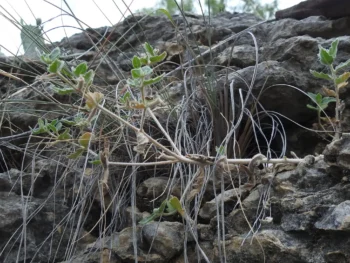
Chickenthief: A Quirky Native Wildflower Worth Protecting
With a name like chickenthief, you might wonder if this plant has a history of poultry-related mischief. While Mentzelia oligosperma won’t actually steal your chickens, this charming native wildflower has certainly captured the attention of native plant enthusiasts across the American Great Plains and Southwest.
What is Chickenthief?
Chickenthief is a perennial forb—essentially a non-woody flowering plant that comes back year after year. As a native species to the lower 48 states, this modest wildflower has been quietly decorating our prairies and grasslands long before European settlement. It’s the kind of plant that doesn’t demand attention but rewards those who take the time to notice its understated beauty.
Where Does Chickenthief Grow?
This adaptable native can be found across a surprising range of states, from the southwestern deserts of Arizona and New Mexico to the grasslands of Kansas and Nebraska, and even making appearances as far east as Arkansas and Illinois. You’ll also spot it in Colorado, Massachusetts, Missouri, Oklahoma, South Dakota, Texas, and Wyoming.
- Species observed
- No observations
A Word of Caution: Rarity Matters
Before you rush out to find chickenthief for your garden, there’s something important to know. In Arkansas, this species has a rarity status of S1, meaning it’s critically imperiled in that state. If you’re considering adding chickenthief to your landscape, please ensure you source it responsibly from reputable native plant nurseries rather than collecting from wild populations.
Why Grow Chickenthief?
There are several compelling reasons to consider this native wildflower for your garden:
- Supports Native Ecosystems: As a native species, chickenthief provides food and habitat for local wildlife that have co-evolved with it over thousands of years
- Pollinator Friendly: The small flowers attract native bees and other beneficial insects
- Low Maintenance: Once established, this drought-tolerant perennial requires minimal care
- Conservation Impact: By growing rare native plants, you’re contributing to their long-term survival
Perfect Garden Settings
Chickenthief shines in naturalized landscapes and prairie-style gardens. It’s particularly well-suited for:
- Native plant gardens
- Prairie restorations
- Xerophytic (drought-tolerant) landscapes
- Pollinator gardens
- Low-maintenance wildflower meadows
Growing Conditions and Care
Chickenthief is refreshingly easy to please once you understand its preferences. This hardy perennial thrives in USDA hardiness zones 4-8 and prefers:
- Sunlight: Full sun exposure for best flowering
- Soil: Well-draining soils; avoid areas that stay consistently moist
- Water: Drought tolerant once established; actually prefers drier conditions
- Maintenance: Minimal care required after the first year
Planting and Establishment Tips
For best results with chickenthief:
- Plant seeds in fall for natural stratification over winter
- Direct seeding works better than transplanting
- Water lightly during the first growing season to help establishment
- Once established, step back and let nature take the wheel
- Avoid over-fertilizing, which can promote excessive foliage at the expense of flowers
A Small Plant with Big Impact
While chickenthief may not be the showiest plant in your garden, it represents something important: our connection to the native landscapes that once dominated North America. By choosing to grow this and other native species, you’re creating habitat, supporting pollinators, and helping preserve our natural heritage for future generations.
Remember, every native plant in your garden is a small act of conservation. In the case of chickenthief, you’re also supporting a species that needs our help to thrive in an increasingly fragmented landscape. Just make sure to source your plants responsibly, and you’ll have a charming, low-maintenance addition to your native plant collection.