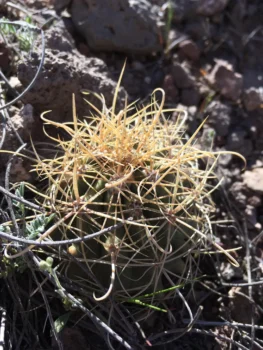
Chihuahuan Fishhook Cactus: A Spiny Gem for Desert Gardens
Meet the Chihuahuan fishhook cactus (Glandulicactus uncinatus var. wrightii), a compact desert dweller that’s perfect for gardeners looking to add authentic southwestern charm to their landscapes. This perennial cactus might be small in stature, but it packs a big punch with its distinctive hooked spines and vibrant blooms.
What Makes This Cactus Special?
The Chihuahuan fishhook cactus gets its name from its characteristic curved central spine that resembles a fishing hook. This small barrel cactus typically grows in a solitary, globe-shaped form and produces stunning pink to purple flowers that create a beautiful contrast against its spiny exterior. It’s a slow-growing plant that stays compact, making it perfect for smaller spaces and container gardens.
Native Range and Distribution
This cactus is native to the United States, specifically thriving in the Chihuahuan Desert regions of New Mexico and Texas. It’s perfectly adapted to the harsh desert conditions of these areas, where it has evolved to survive extreme heat, drought, and temperature fluctuations.
- Species observed
- No observations
Why Grow Chihuahuan Fishhook Cactus?
There are several compelling reasons to consider this native cactus for your garden:
- Extremely drought tolerant once established
- Requires minimal maintenance and water
- Supports native pollinators with its colorful flowers
- Adds authentic desert character to xeriscaping projects
- Perfect for rock gardens and container displays
- Helps preserve native plant biodiversity
Garden Design and Landscape Role
The Chihuahuan fishhook cactus shines as an accent plant in desert-themed landscapes. Its compact size makes it ideal for:
- Rock gardens and succulent displays
- Xeriscaping projects
- Container gardens and patio displays
- Desert meditation gardens
- Native plant collections
Growing Conditions and Care
This cactus thrives in USDA hardiness zones 8-10 and prefers conditions that mimic its natural desert habitat:
- Sunlight: Full sun exposure for at least 6-8 hours daily
- Soil: Well-draining, sandy or rocky soil with excellent drainage
- Water: Minimal watering; allow soil to dry completely between waterings
- Temperature: Protect from hard freezes in zone 8
Planting and Care Tips
Success with the Chihuahuan fishhook cactus comes down to replicating desert conditions:
- Plant in spring after the last frost
- Ensure drainage by adding sand, perlite, or gravel to heavy soils
- Water sparingly – overwatering is the quickest way to kill this plant
- Provide winter protection in marginal zones
- Fertilize rarely, if at all – desert soils are naturally low in nutrients
- Handle with thick gloves due to sharp, hooked spines
Important Conservation Note
The Chihuahuan fishhook cactus has a conservation status that suggests it may face some population pressures in the wild. If you’re interested in growing this species, please source your plants responsibly from reputable nurseries that propagate their stock rather than wild-collect. This helps protect wild populations while still allowing you to enjoy this remarkable native plant.
Pollinator and Wildlife Benefits
When in bloom, this cactus attracts various desert pollinators, including native bees and other insects. The flowers provide nectar and pollen, while the plant structure can offer shelter for small desert creatures. By growing native cacti like this one, you’re supporting the complex web of life that has evolved in desert ecosystems.
Is This Cactus Right for You?
The Chihuahuan fishhook cactus is perfect for gardeners who want a low-maintenance, drought-tolerant plant that celebrates the beauty of native desert flora. It’s ideal if you’re creating a water-wise landscape, live in an arid climate, or simply love the unique aesthetic of desert plants. However, it may not be the best choice if you live in a humid climate, have pets or small children who might encounter the spines, or prefer plants that require regular watering and care.
With proper placement and minimal care, this fascinating native cactus can be a long-lived, striking addition to your desert garden that connects you to the wild beauty of the American Southwest.