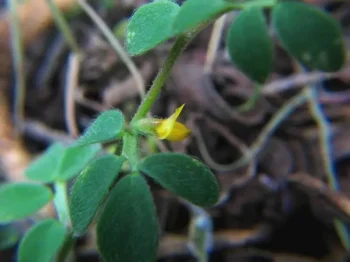
Chilean Bird’s-Foot Trefoil: A Charming Native Annual for Western Gardens
If you’re looking to add a touch of wild beauty to your garden while supporting local ecosystems, Chilean bird’s-foot trefoil (Lotus wrangelianus) might just be the perfect addition to your plant palette. This delightful little native annual brings understated charm and ecological benefits to gardens across the western United States.
What is Chilean Bird’s-Foot Trefoil?
Chilean bird’s-foot trefoil is a native annual forb that belongs to the legume family. As a forb, it’s an herbaceous plant without woody stems – think of it as nature’s way of creating a soft, low-growing carpet of greenery topped with cheerful blooms. Don’t let the Chilean in its name fool you; this little beauty is actually native to the lower 48 states, specifically thriving in California, Nevada, and Oregon.
This species is found naturally across California, Nevada, and Oregon, where it has adapted to the unique growing conditions of the western United States. Its distribution makes it an excellent choice for gardeners in these regions who want to incorporate truly local flora into their landscapes.
- Species observed
- No observations
Why Grow Chilean Bird’s-Foot Trefoil?
There are several compelling reasons to consider adding this native annual to your garden:
- Native plant benefits: Supporting local ecosystems by providing food and habitat for native wildlife
- Low maintenance: As a native plant, it’s naturally adapted to local growing conditions
- Pollinator support: Like other members of the legume family, it likely attracts beneficial pollinators such as bees
- Soil improvement: Being a legume, it can help fix nitrogen in the soil, benefiting neighboring plants
- Annual lifecycle: Provides seasonal interest and allows for garden flexibility from year to year
Garden Design and Landscape Use
Chilean bird’s-foot trefoil works wonderfully in several garden settings:
- Native plant gardens: Perfect for authentic regional landscapes
- Wildflower meadows: Adds natural texture and seasonal color
- Ground cover areas: Its low-growing forb habit makes it suitable for covering ground
- Naturalized areas: Ideal for creating low-maintenance, wildlife-friendly spaces
Growing Conditions and Care
While specific growing requirements for Lotus wrangelianus are not extensively documented, we can make educated recommendations based on its native habitat and related species in the genus:
- Sunlight: Likely prefers full sun conditions
- Soil: Probably thrives in well-draining soils typical of its native range
- Water: As a native to western states, it’s likely adapted to lower water conditions once established
- USDA Hardiness Zones: Best suited for zones 8-10, corresponding to its native range
Planting and Maintenance Tips
Growing this native annual can be quite straightforward:
- Plant seeds in fall or early spring to align with natural growing cycles
- Choose a sunny location with good drainage
- Avoid overwatering, as native plants are typically adapted to natural rainfall patterns
- Allow some plants to go to seed to encourage natural reseeding
- Minimal fertilization needed – remember, it’s a nitrogen-fixing legume!
A Note on Availability
Chilean bird’s-foot trefoil may not be as readily available in nurseries as more common native plants. You might need to seek out specialty native plant nurseries or seed suppliers that focus on regional flora. This scarcity in cultivation makes it an even more special addition to gardens that celebrate local biodiversity.
The Bottom Line
Chilean bird’s-foot trefoil offers gardeners in California, Nevada, and Oregon a wonderful opportunity to grow a truly local native plant. While it may require a bit of detective work to source, the rewards of growing this charming annual – from its ecological benefits to its authentic regional character – make it a worthwhile addition to native plant gardens and naturalized landscapes. By choosing plants like Lotus wrangelianus, you’re not just gardening; you’re participating in the preservation and celebration of your region’s natural heritage.