Chinese Creepingfern: A Delicate Pacific Native for Shady Corners
Meet the Chinese creepingfern (Odontosoria chinensis), a charming little fern that’s been quietly carpeting forest floors across the Pacific for ages. Also known by its Hawaiian name pala`a, this delicate perennial fern brings an elegant, wispy texture to shaded garden spaces where other plants might struggle.
What Makes Chinese Creepingfern Special?
Don’t let the name fool you – while called Chinese creepingfern, this species is actually native to Hawaii and various Pacific Basin islands including Guam and Palau. It’s a true island native that has adapted beautifully to tropical and subtropical climates.
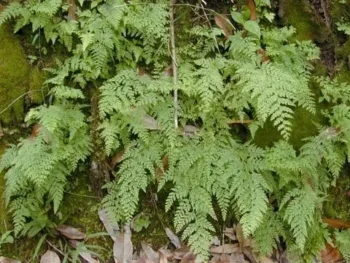
This fern grows as what botanists call a forb – essentially a non-woody plant that stays relatively low to the ground. Its delicate, finely divided fronds create an almost lacy appearance, and its creeping growth habit makes it perfect for filling in those tricky shaded spots where grass won’t grow.
- Species observed
- No observations
Garden Benefits and Uses
Chinese creepingfern shines as a ground cover in naturalistic and native plant gardens. Here’s why you might want to consider it:
- Excellent for shaded areas where few other plants thrive
- Creates soft, textural contrast against bolder tropical plants
- Low-maintenance once established
- Supports native plant ecosystems in Pacific regions
- Tolerates both wetland and upland conditions (it’s considered facultative for wetlands in Hawaii)
How to Identify Chinese Creepingfern
Look for these key characteristics:
- Delicate, finely divided fronds that create a feathery appearance
- Creeping growth pattern that spreads along the ground
- Perennial growth – it comes back year after year
- Preference for shaded, moist areas
- Small stature compared to tree ferns or larger fern species
Growing Chinese Creepingfern Successfully
If you’re in USDA hardiness zones 9-11 and want to try growing this Pacific native, here’s what it needs:
Light: Partial to full shade – direct sunlight will stress this delicate fern
Soil: Moist, well-draining soil with good organic content. It’s adaptable to various moisture levels but prefers consistent moisture without being waterlogged
Climate: High humidity and warm temperatures year-round. This is definitely a tropical/subtropical plant
Care tips:
- Keep soil consistently moist but not soggy
- Provide protection from strong winds
- Minimal fertilization needed – too much can actually harm ferns
- Allow it space to spread naturally
- Mulch around plants to maintain soil moisture
Is Chinese Creepingfern Right for Your Garden?
This fern works best for gardeners in tropical and subtropical climates who want to create naturalistic, low-maintenance shaded areas. It’s particularly valuable for those interested in supporting native Pacific island ecosystems.
Since ferns reproduce through spores rather than flowers, Chinese creepingfern won’t directly attract pollinators like bees and butterflies. However, it can provide habitat structure for small creatures and contributes to the overall biodiversity of native plant gardens.
If you’re outside its natural hardiness range or looking for alternatives, consider native fern species from your own region – they’ll provide similar aesthetic benefits while supporting your local ecosystem.
Whether you call it Chinese creepingfern or pala`a, this delicate ground-hugger proves that sometimes the most unassuming plants make the biggest difference in creating beautiful, sustainable garden spaces.