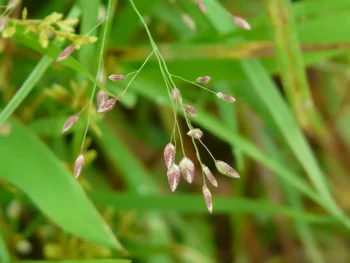
Chinese Lovegrass: A Delicate Annual Grass for Low-Maintenance Gardens
If you’re looking for a graceful, low-maintenance grass that can handle tough growing conditions, Chinese lovegrass (Eragrostis unioloides) might catch your eye. This delicate annual grass brings an airy, almost ethereal quality to gardens with its fine-textured foliage and wispy seed heads that dance in the breeze.
What is Chinese Lovegrass?
Chinese lovegrass is an annual grass that belongs to the Poaceae family, the same group that includes many of our familiar lawn and ornamental grasses. As its common name suggests, this species originally hails from Asia, particularly China and surrounding regions. Don’t let the lovegrass name fool you though – it’s called that because of its delicate, almost romantic appearance rather than any connection to matters of the heart!
Where Does Chinese Lovegrass Grow?
This adaptable grass has made itself at home in several U.S. states, including Florida, Georgia, Hawaii, and Maryland, as well as Navassa Island. As a non-native species that was introduced to these areas, it has shown remarkable ability to establish itself and reproduce without human assistance.
- Species observed
- No observations
Growing Conditions and Hardiness
Chinese lovegrass is surprisingly adaptable when it comes to growing conditions. Here’s what this resilient little grass prefers:
- USDA Hardiness Zones: 8-11
- Sun Requirements: Full sun to partial shade
- Soil Tolerance: Thrives in poor soils and handles drought well
- Water Needs: Low to moderate; drought-tolerant once established
- Wetland Status: Facultative (can grow in both wet and dry conditions in most regions)
Should You Plant Chinese Lovegrass?
Here’s where things get interesting. Chinese lovegrass can be a useful plant in certain situations, but there are some considerations to keep in mind:
The Good: This grass is incredibly low-maintenance, handles poor soils like a champ, and adds delicate texture to naturalized areas. It’s perfect for gardeners who want something that can fend for itself without much fuss.
The Considerations: As a non-native species, it may not provide the same ecological benefits as native grasses. While it’s not currently listed as invasive, it does self-seed readily.
Native Alternatives to Consider
If you’re drawn to Chinese lovegrass but prefer to stick with native options, consider these beautiful alternatives:
- Purple lovegrass (Eragrostis spectabilis) – native and equally delicate
- Little bluestem (Schizachyrium scoparium) – provides stunning fall color
- Buffalo grass (Poaceae family natives specific to your region)
How to Grow Chinese Lovegrass Successfully
If you decide to give Chinese lovegrass a try, you’ll find it’s refreshingly easy to grow:
Planting: Since it’s an annual, you’ll need to replant each year or allow it to self-seed. Scatter seeds in spring after the last frost date.
Care Tips:
- Water sparingly – this grass actually prefers drier conditions
- No need for fertilizer; it thrives in poor soils
- Minimal pruning required; let it go to seed for natural reseeding
- Watch for self-seeding if you want to control its spread
Wildlife and Pollinator Benefits
As a wind-pollinated grass, Chinese lovegrass doesn’t offer nectar or pollen to bees and butterflies like flowering plants do. However, the seeds may provide food for some seed-eating birds, and the grass structure could offer habitat for small insects.
The Bottom Line
Chinese lovegrass can be a useful addition to low-maintenance, naturalized gardens, especially in areas with challenging growing conditions. While it’s not native, it’s also not currently flagged as problematic. If you’re looking for something easy-going that adds delicate texture to your landscape, it might be worth considering – though exploring native alternatives first is always a great approach for supporting local ecosystems.
Remember, the best garden is one that reflects your personal style while being mindful of the local environment. Whether you choose Chinese lovegrass or one of its native cousins, you’ll be adding beautiful, graceful texture to your outdoor space.