Chinquapin Oak: A Drought-Tolerant Native Tree Perfect for Challenging Sites
If you’re looking for a sturdy, reliable native tree that can handle tough conditions while providing excellent shade and wildlife habitat, meet the chinquapin oak (Quercus muehlenbergii). Also known as the chinkapin oak, this underappreciated native deserves a spot in more American landscapes.
Where Does Chinquapin Oak Call Home?
This remarkable oak is native to a huge swath of North America, naturally growing across 33 states and Ontario, Canada. You’ll find it from the Atlantic Coast to the Great Plains, thriving everywhere from Alabama and Florida in the south to Minnesota and Vermont in the north, and stretching west to New Mexico and Texas.
- Species observed
- No observations
What Makes Chinquapin Oak Special?
The chinquapin oak is a perennial tree that can reach an impressive 70 feet tall at maturity, though it typically grows to about 30 feet after 20 years with its moderate growth rate. What sets this oak apart from its cousins is its incredible drought tolerance and ability to thrive in alkaline soils where other trees struggle.
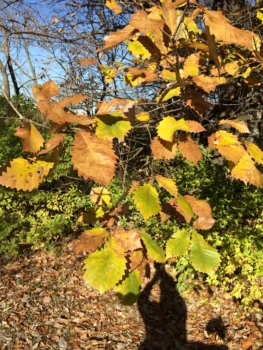
This single-stemmed beauty develops an attractive, erect form with dense summer foliage that turns a lovely yellow in fall. The brown acorns are quite conspicuous and add seasonal interest, while the medium-textured leaves create dappled shade perfect for relaxing underneath.
Why Choose Chinquapin Oak for Your Landscape?
Here’s where chinquapin oak really shines:
- Drought champion: Once established, this tree laughs in the face of dry spells
- Alkaline soil lover: Perfect for areas with high pH soil where other trees fail
- Low maintenance: No known allelopathic effects, minimal care needed
- Long-lived: This is a tree your great-grandchildren will enjoy
- Wildlife friendly: Acorns feed numerous wildlife species
- Fire resistant trunk: Though not fire-resistant overall, mature trees can survive some fire damage
Where Does Chinquapin Oak Fit in Your Garden?
This oak works best in larger landscapes where it has room to reach its full potential. It’s perfect for:
- Large residential properties as a specimen or shade tree
- Parks and public spaces
- Prairie restoration projects
- Naturalistic gardens
- Areas with challenging soil conditions
Keep in mind that chinquapin oak is shade intolerant, so it needs full sun to thrive. It’s also worth noting that this tree prefers upland sites – it almost never occurs naturally in wetlands in most regions, though it can tolerate some moisture variation in the Great Plains and Arid West.
Growing Conditions and Care
Chinquapin oak is remarkably adaptable but has some specific preferences:
Soil: Thrives in medium-textured, well-draining soils with pH between 5.0-8.0. It’s particularly happy in alkaline conditions and has high calcium carbonate tolerance.
Hardiness: Hardy in USDA zones 4-7, tolerating temperatures as low as -33°F.
Water: Medium moisture use with high drought tolerance once established. Needs 20-90 inches of annual precipitation.
Sun: Full sun required – this tree won’t tolerate shade.
Planting and Establishment Tips
Getting your chinquapin oak off to a good start is straightforward:
- Timing: Plant in early spring after the last frost, or fall before the ground freezes
- Spacing: Allow 300-800 trees per acre if mass planting, or give individual trees plenty of room to spread
- Root depth: Ensure soil drainage to at least 28 inches deep
- Propagation: Can be grown from seed (400 seeds per pound) or purchased as bare root or container plants
- Establishment: Expect medium seedling vigor; be patient as this tree develops slowly but surely
The Bottom Line
Chinquapin oak might not be the flashiest tree in the nursery, but it’s certainly one of the most reliable. If you have the space and challenging growing conditions that would stress other trees, this native oak could be your perfect match. Its combination of drought tolerance, soil adaptability, and wildlife value makes it an excellent choice for sustainable landscaping.
While commercial availability can be limited, the wait is worth it for a tree that will provide decades of low-maintenance beauty and ecological benefits. Just remember to give it room to grow and plenty of sunshine – this oak likes to spread its branches wide and reach for the sky.