Chiricahua Adder’s-Mouth Orchid: A Rare Southwestern Native Worth Knowing
If you’re an orchid enthusiast looking for something truly special for your native plant collection, the Chiricahua adder’s-mouth orchid (Malaxis soulei) might just capture your imagination. This petite perennial orchid is one of the Southwest’s hidden botanical treasures, though I’ll be honest with you—it’s not exactly what you’d call an easy houseguest.
Meet This Southwestern Native
The Chiricahua adder’s-mouth orchid is a delicate forb native to the lower 48 states, specifically calling Arizona, New Mexico, and Texas home. As a perennial herb, it lacks the woody tissue you’d find in shrubs or trees, instead emerging from underground structures year after year. You might also encounter this little beauty listed under the synonym Malaxis macrostachya in older botanical references.
- Species observed
- No observations
What Does It Look Like?
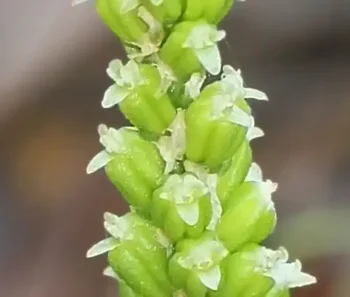
Don’t expect a showy display from this modest orchid. The Chiricahua adder’s-mouth produces small, inconspicuous greenish flowers arranged on slender spikes. Its understated beauty lies in its delicate form and the quiet elegance typical of many native orchids. This is definitely a plant for those who appreciate subtle charm over bold statements.
Why Grow This Native Orchid?
Here’s where things get interesting—and challenging. While this native orchid offers several compelling reasons to consider it, it also comes with some significant caveats:
- Native plant value: Supporting local ecosystems by growing truly native species
- Specialty garden appeal: Perfect for dedicated native plant or orchid collections
- Conservation importance: Growing native orchids helps preserve genetic diversity
- Unique conversation starter: How many people can say they grow native orchids?
The Reality Check: Growing Conditions
Let’s be completely honest here—this isn’t a beginner’s plant. Native orchids like Malaxis soulei have very specific requirements that make them notoriously difficult to cultivate:
- Soil needs: Requires well-draining soil with specific mycorrhizal fungi relationships
- Light requirements: Prefers partial shade conditions
- Climate preferences: Thrives in zones 7-9 with cool temperatures and adequate humidity
- Water needs: Consistent moisture without waterlogging
Should You Attempt Growing It?
Here’s my take: unless you’re an experienced orchid grower or native plant specialist, this might not be the best choice for your garden. The Chiricahua adder’s-mouth orchid requires very specific soil fungi partnerships that are nearly impossible to replicate in typical garden settings.
If you’re determined to try, work only with reputable native plant nurseries that can provide responsibly sourced plants—never collect from the wild. Even then, success rates are typically low for home gardeners.
Better Alternatives for Most Gardeners
If you love the idea of supporting southwestern native plants but want something more manageable, consider these alternatives:
- Native penstemons for colorful, pollinator-friendly options
- Desert marigold for cheerful, long-blooming color
- Native grasses like blue grama or buffalo grass
- Regional wildflower mixes suited to your specific area
The Bottom Line
The Chiricahua adder’s-mouth orchid is a fascinating piece of southwestern botanical heritage that deserves our appreciation and protection. While it may not be practical for most home gardens, learning about and supporting conservation of native orchids like this one helps preserve our natural heritage for future generations.
If you encounter this little orchid in its natural habitat during your southwestern adventures, take a moment to appreciate its quiet beauty—and maybe snap a photo to remember this special native treasure.