Chisos Oak: A Rare Texas Treasure for the Adventurous Gardener
If you’re the type of gardener who gets excited about growing something truly special – something that practically no one else has – then let me introduce you to the Chisos oak. This little-known Texas native is about as exclusive as plants get, and there’s a very good reason why you’ve probably never seen one at your local garden center.
What Makes the Chisos Oak So Special?
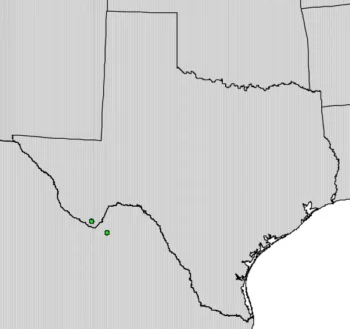
The Chisos oak (Quercus graciliformis) is a compact shrub that calls just one place on Earth home: the Chisos Mountains in Big Bend National Park, Texas. This oak doesn’t grow tall and stately like its more famous cousins – instead, it stays relatively small as a multi-stemmed shrub, typically reaching 13-16 feet in height under ideal conditions, though it’s often much smaller in its harsh native habitat.
As a perennial woody plant, this oak has adapted to survive in one of Texas’s most challenging environments, developing characteristics that make it incredibly drought-tolerant and uniquely beautiful in its own understated way.
A Critically Rare Plant
Important Conservation Note: The Chisos oak has a Global Conservation Status of S1, meaning it’s critically imperiled. With typically 5 or fewer natural occurrences and very few remaining individuals (fewer than 1,000), this species is extremely vulnerable to extinction. If you’re considering adding this plant to your garden, it’s absolutely essential to source it only from reputable nurseries that propagate plants responsibly from legally obtained seed or cuttings – never from wild collection.
Where Does It Grow?
This oak is endemic to Texas, specifically the Chisos Mountains region. Its entire natural range is incredibly small, which contributes to its rarity status. The plant has evolved to thrive in the unique desert mountain environment of Big Bend, with its extreme temperature swings, intense sun, and minimal rainfall.
- Species observed
- No observations
Why Grow a Chisos Oak?
Despite its rarity challenges, there are compelling reasons why dedicated native plant enthusiasts might want to grow this species:
- Conservation value: Growing responsibly sourced plants helps preserve genetic diversity
- Extreme drought tolerance: Once established, it requires virtually no supplemental watering
- Unique specimen: You’ll have a plant that few other gardeners possess
- Native Texas heritage: Support local ecosystems and wildlife
- Low maintenance: Adapted to harsh conditions means less fussing required
Growing Conditions and Care
The Chisos oak is built for tough love. In its native habitat, it endures scorching summers, freezing winters, poor soil, and very little rainfall. Here’s how to recreate those conditions in your garden:
Climate and Hardiness
This oak thrives in USDA hardiness zones 7-9, though it may need protection from extreme cold in the northern parts of its range. It’s perfectly adapted to hot, dry climates with intense sun exposure.
Soil Requirements
Well-draining soil is absolutely critical. The Chisos oak cannot tolerate wet feet and will quickly succumb to root rot in poorly draining conditions. Sandy, rocky, or gravelly soils work best – think desert conditions rather than rich garden loam.
Watering and Maintenance
Once established (which may take 2-3 years), this oak requires minimal to no supplemental watering. During establishment, water deeply but infrequently. Overwatering is far more likely to kill your plant than underwatering.
Landscape Uses
The Chisos oak works beautifully in:
- Xeriscape gardens
- Rock gardens and desert landscapes
- Native plant collections
- Drought-tolerant specimen plantings
- Conservation gardens focused on rare species
Wildlife and Ecological Benefits
Like other oak species, the Chisos oak supports native wildlife, though its small population means its ecological impact is limited. The plant provides habitat for specialized insects adapted to desert oaks and produces acorns that can feed wildlife when mature.
The Bottom Line
Growing a Chisos oak isn’t for everyone. It requires patience, the right growing conditions, and a commitment to conservation-minded gardening. But for those willing to take on the challenge, you’ll be helping preserve one of Texas’s rarest plants while adding something truly extraordinary to your landscape.
Remember: only purchase plants from reputable sources that can verify their propagation methods. Never collect from the wild, and consider your Chisos oak a living piece of Texas conservation history. With proper care and responsible sourcing, you can be part of ensuring this remarkable species survives for future generations to appreciate.