Chocolate Lily: A Hidden Gem for California Native Gardens
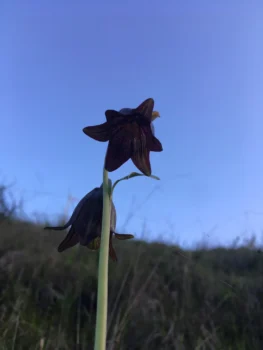
If you’re looking to add a touch of mystery and elegance to your California native garden, meet the chocolate lily (Fritillaria biflora). This enchanting spring bloomer might not win any popularity contests, but those in the know consider it one of California’s most charming native wildflowers. With its nodding, bell-shaped blooms that seem to whisper secrets to the ground, this little beauty brings an air of woodland magic wherever it grows.
What Makes Chocolate Lily Special
The chocolate lily is a perennial forb native to California, meaning it’s a non-woody plant that comes back year after year from underground bulbs. Don’t let the name fool you – while the flowers do have a rich, chocolatey brown exterior, they’re actually quite colorful when you peek inside, revealing yellowish-green markings that create a delightful contrast.
This native beauty typically produces 1-3 nodding flowers per stem, each one dangling like a little lantern. The plant grows from a small bulb and reaches about 1-2 feet in height, making it perfect for tucking into intimate garden spaces or naturalizing in larger areas.
Where Chocolate Lily Calls Home
Fritillaria biflora is endemic to California, where it naturally occurs in grasslands, oak woodlands, and chaparral environments from sea level up to about 1,500 feet in elevation. You’ll find it scattered throughout the state, though it’s not as common as some other native wildflowers.
- Species observed
- No observations
A Note About Conservation
Before we dive into growing tips, it’s important to know that chocolate lily has a conservation status that suggests some concern about its populations in the wild. This makes it all the more important to choose responsibly sourced plants or seeds from reputable native plant nurseries rather than collecting from wild populations. By growing this species in our gardens, we can help preserve it for future generations while enjoying its unique beauty.
Why Plant Chocolate Lily in Your Garden
Here’s why chocolate lily deserves a spot in your landscape:
- Native habitat support: As a California native, it supports local ecosystems and wildlife
- Early spring color: Blooms when many other plants are still sleeping
- Pollinator magnet: Attracts native bees and other early spring pollinators
- Low maintenance: Once established, requires minimal care
- Unique appearance: Adds an element of intrigue with its unusual coloring and form
- Water-wise: Perfectly adapted to California’s dry summers
Perfect Garden Settings
Chocolate lily shines in several garden styles:
- Native plant gardens: A natural choice for authentic California landscapes
- Mediterranean-style gardens: Thrives in dry summer conditions
- Woodland edges: Perfect for partially shaded areas under oaks
- Naturalized areas: Great for creating wild, untamed looks
- Rock gardens: Excellent drainage suits its needs perfectly
Growing Chocolate Lily Successfully
The key to success with chocolate lily lies in understanding its natural rhythm. This plant is what we call a spring ephemeral – it emerges, blooms, sets seed, and then goes dormant for the hot, dry summer months. Here’s how to work with this natural cycle:
Location and Soil
Choose a spot with well-draining soil – this is absolutely crucial. Chocolate lily bulbs will rot in soggy conditions, especially during their summer dormancy. Partial shade to full sun works well, though some afternoon shade in hotter inland areas is beneficial. USDA hardiness zones 8-10 are ideal.
Planting
Plant bulbs in fall, about 3-4 inches deep and 4-6 inches apart. If you’re starting from seed (which requires patience – it can take several years to bloom), sow in fall and keep slightly moist through winter and spring.
Watering
Water moderately during the growing season (fall through spring), but here’s the crucial part: once the foliage dies back in late spring or early summer, stop watering almost entirely. The bulbs need to stay dry during their summer dormancy period.
Maintenance
Chocolate lily is refreshingly low-maintenance once you understand its needs. Allow the foliage to die back naturally – it’s feeding the bulb for next year’s show. You can remove spent flowers if you don’t want self-seeding, or leave them to potentially expand your colony naturally.
Potential Challenges
The biggest challenge with chocolate lily is remembering where you planted it! Since it disappears completely during summer dormancy, it’s easy to accidentally dig up bulbs during summer garden activities. Mark their locations or plant them in dedicated areas where you won’t be doing major garden work.
Overwatering during dormancy is the other main pitfall. Trust the plant’s natural cycle and resist the urge to water in summer.
The Bottom Line
Chocolate lily may not be the showiest plant in the garden, but it offers something special – a connection to California’s native heritage and the quiet satisfaction of growing something truly unique. Its subtle beauty and ecological value make it a wonderful addition to gardens that celebrate native plants and support local wildlife.
If you decide to grow chocolate lily, remember to source your plants or seeds responsibly from reputable native plant nurseries. This small step helps protect wild populations while allowing you to enjoy this charming native gem in your own garden. With proper care and respect for its natural rhythms, chocolate lily will reward you with years of spring enchantment.