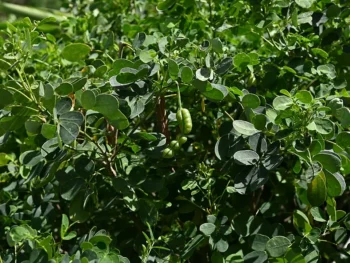
Christmasbush: A Bright Yellow Flowering Shrub for Warm Climates
If you’re looking for a shrub that brings sunshine to your garden with clusters of bright yellow flowers, Christmasbush (Senna bicapsularis) might catch your eye. This tropical flowering plant has made its way into many warm-climate gardens, though it comes with some considerations worth exploring.
What is Christmasbush?
Christmasbush, scientifically known as Senna bicapsularis, is a perennial shrub that typically grows as a multi-stemmed woody plant reaching 4-5 meters (13-16 feet) in height. You might also encounter it under its former botanical names, including Cassia bicapsularis, as plant classifications have evolved over time.
This shrub is characterized by its vibrant yellow flower clusters that create stunning seasonal displays, making it a popular choice for ornamental landscaping in tropical and subtropical regions.
Where Does Christmasbush Come From?
Christmasbush is native to Puerto Rico, where it naturally thrives in the Caribbean climate. It has also established naturalized populations in the U.S. Virgin Islands, where it reproduces spontaneously without human intervention. For gardeners in other parts of the United States, this means Christmasbush is a non-native species that has adapted well to similar tropical conditions.
- Species observed
- No observations
Garden Appeal and Landscape Role
The main draw of Christmasbush is undoubtedly its cheerful yellow blooms that appear in clusters throughout its flowering season. These bright flowers create excellent focal points in tropical garden designs and add vibrant color to landscape borders.
This shrub works well in:
- Tropical and subtropical gardens
- Coastal landscapes where salt tolerance is beneficial
- Mixed shrub borders for year-round structure
- Areas where low-maintenance plants are preferred
Growing Conditions and Climate Requirements
Christmasbush thrives in USDA hardiness zones 9-11, making it suitable only for the warmest regions of the United States. This shrub has some flexibility when it comes to water conditions – it can handle both wetland and non-wetland environments, though it performs best with good drainage.
For optimal growth, provide:
- Full sun to partial shade exposure
- Well-draining soil
- Protection from freezing temperatures
- Moderate water once established
Planting and Care Tips
One of the appealing aspects of Christmasbush is its relatively low-maintenance nature. Once established, this shrub is quite drought-tolerant, making it suitable for gardeners who prefer plants that don’t require constant attention.
Care recommendations include:
- Water regularly during the first growing season to establish roots
- Provide occasional deep watering during extended dry periods
- Prune lightly to maintain shape and remove dead or damaged branches
- Apply mulch around the base to retain moisture and suppress weeds
Wildlife and Pollinator Benefits
The bright yellow flowers of Christmasbush serve as attractants for various pollinators, particularly bees and butterflies. This makes it a potentially valuable addition to pollinator gardens in appropriate climate zones.
Should You Plant Christmasbush?
The decision to plant Christmasbush depends largely on your location and gardening goals. If you live in zones 9-11 and want a low-maintenance flowering shrub that can handle various moisture conditions, it could be a good fit for your landscape.
However, since Christmasbush is non-native to most of the United States, you might also consider native alternatives that provide similar benefits while supporting local ecosystems. Consult with your local extension office or native plant society for recommendations specific to your region.
If you do choose to grow Christmasbush, its adaptable nature and cheerful blooms can certainly add tropical flair to appropriate garden settings, just remember that it’s best suited for consistently warm climates where freezing temperatures are rare or absent.