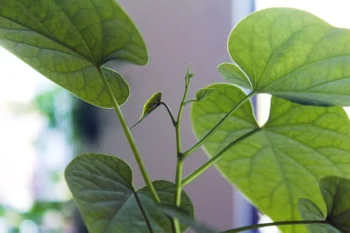
Christmasvine: A Native Climbing Beauty for Southeastern Gardens
If you’re looking for a low-maintenance native vine that brings both beauty and ecological benefits to your garden, meet Christmasvine (Turbina corymbosa). This charming perennial climber might not be as well-known as some other native plants, but it deserves a spot on your radar—especially if you’re gardening in the southeastern United States.
What Is Christmasvine?
Christmasvine is a native perennial forb that grows as a vigorous climbing vine. Don’t let the technical term forb throw you—it simply means this plant lacks the woody stems of shrubs or trees, instead producing soft, herbaceous growth that dies back to the roots in cooler weather and returns each spring in warmer climates.
You might also encounter this plant under its botanical name, Turbina corymbosa, or its various synonyms including Convolvulus corymbosus, Ipomoea corymbosa, and Rivea corymbosa. These different names reflect the plant’s interesting taxonomic journey as botanists have reclassified it over the years.
Where Does Christmasvine Grow Naturally?
This beautiful vine is native to the southeastern United States, specifically Florida, Louisiana, and Texas, as well as Puerto Rico. Its natural range tells us a lot about what this plant needs to thrive—warmth, humidity, and the ability to handle both wet and dry conditions.
- Species observed
- No observations
Why Plant Christmasvine in Your Garden?
There are several compelling reasons to consider adding Christmasvine to your landscape:
- Native Plant Benefits: As a true native, it supports local ecosystems and requires fewer resources once established
- Pollinator Magnet: The small, funnel-shaped white to pale pink flowers attract butterflies, moths, and other beneficial insects
- Low Maintenance: Once established, this vine is quite drought tolerant and doesn’t need much fussing
- Versatile Uses: Perfect for erosion control, ground cover, or letting it climb up trellises and fences
- Attractive Foliage: Heart-shaped leaves create a lush, tropical appearance
Growing Conditions and Care
Christmasvine is surprisingly adaptable, making it a great choice for both novice and experienced gardeners. Here’s what you need to know:
Hardiness: This vine thrives in USDA zones 9-11, so it’s best suited for gardeners in the warmest parts of the country.
Light Requirements: Christmasvine performs well in full sun to partial shade, giving you flexibility in placement.
Soil Needs: Well-draining soil is key, but this adaptable vine isn’t overly picky about soil type once drainage is adequate.
Water Requirements: While it appreciates regular water when getting established, mature plants are quite drought tolerant.
A Word of Caution
Like many vigorous native vines, Christmasvine can be an enthusiastic spreader. It may self-seed readily and can become quite aggressive in ideal conditions. This makes it perfect for naturalized areas where you want coverage, but you’ll want to keep an eye on it in more formal garden settings.
Best Uses in Your Landscape
Christmasvine shines in several garden situations:
- Native Plant Gardens: A natural choice for gardens focused on indigenous species
- Coastal Landscapes: Its native range suggests good salt tolerance
- Erosion Control: The vigorous root system helps stabilize soil on slopes
- Naturalized Areas: Perfect for less formal spaces where it can spread freely
- Wildlife Gardens: The flowers provide nectar for pollinators while the dense growth offers shelter
Planting and Care Tips
Getting Christmasvine established in your garden is straightforward:
- Plant in spring after the last frost date
- Choose a location with good drainage—this is non-negotiable
- Provide support if you want it to climb, or let it sprawl as ground cover
- Water regularly during the first growing season to help establish roots
- Once established, minimal care is needed beyond occasional pruning to control spread
Is Christmasvine Right for Your Garden?
If you’re gardening in zones 9-11 and want a low-maintenance native vine that supports local wildlife, Christmasvine could be an excellent choice. It’s particularly valuable if you have naturalized areas, need erosion control, or want to create habitat for pollinators.
However, if you prefer plants that stay exactly where you put them, you might want to consider other options or be prepared to manage its enthusiastic growth. Like many native plants, Christmasvine is most at home when it has room to be itself—which sometimes means being a little wild and wonderful.
By choosing native plants like Christmasvine, you’re not just creating a beautiful garden—you’re contributing to the health of local ecosystems and supporting the wildlife that depends on indigenous plants. And really, isn’t that the kind of gardening magic we all want to be part of?