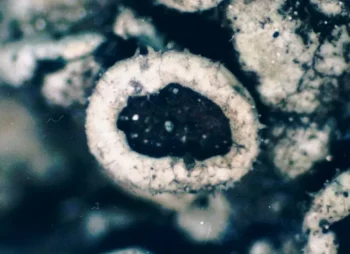
Ciliate Wreath Lichen: The Fuzzy-Edged Garden Visitor You Never Planted
Have you ever noticed those grayish-green, leaf-like patches growing on the bark of your trees and wondered what they were? Meet the ciliate wreath lichen (Phaeophyscia ciliata) – a fascinating organism that’s probably been quietly decorating your landscape without you even realizing it!
What Exactly Is Ciliate Wreath Lichen?
First things first – ciliate wreath lichen isn’t actually a plant at all! It’s a lichen, which is a remarkable partnership between a fungus and algae (or cyanobacteria) living together in perfect harmony. The fungus provides structure and protection, while the algae produces food through photosynthesis. Think of it as nature’s original roommate success story.
This particular lichen gets its ciliate name from the tiny hair-like structures (called cilia) that fringe its edges, giving it a distinctly fuzzy appearance that sets it apart from other lichens.
Where You’ll Find This Native Beauty
Ciliate wreath lichen is native to North America and can be found across much of the continent. It’s particularly fond of deciduous trees like oaks, maples, and elms, though you might also spot it on rocks or even fence posts. This adaptable little organism has made itself at home in both urban and rural environments.
How to Identify Ciliate Wreath Lichen
Spotting ciliate wreath lichen is easier than you might think once you know what to look for:
- Color: Grayish-green to bluish-gray, sometimes with brownish tones
- Shape: Foliose (leaf-like) with rounded, overlapping lobes
- Texture: The distinctive fuzzy or hairy margins are the real giveaway
- Size: Individual patches can range from less than an inch to several inches across
- Location: Typically found on tree bark, especially on the north or shaded sides
Is Ciliate Wreath Lichen Good for Your Garden?
Absolutely! While you can’t exactly plant lichens like you would a flower or shrub, having ciliate wreath lichen in your garden is actually a wonderful sign. Here’s why you should be happy to see it:
- Air quality indicator: Lichens are sensitive to air pollution, so their presence indicates good air quality in your area
- Ecosystem health: They contribute to biodiversity and provide habitat for tiny creatures
- No harm to trees: Despite what some people think, lichens don’t hurt healthy trees – they’re just using the bark as a surface to grow on
- Natural beauty: They add subtle texture and color to tree trunks and garden features
Creating Lichen-Friendly Conditions
While you can’t plant lichens directly, you can encourage their natural establishment:
- Avoid chemicals: Skip the fungicides and harsh cleaners that might harm these sensitive organisms
- Maintain mature trees: Older trees with textured bark provide ideal growing surfaces
- Reduce air pollution: Support clean air initiatives in your community
- Be patient: Lichens grow slowly, so appreciate the ones that naturally appear over time
Common Misconceptions
Let’s clear up a few myths about ciliate wreath lichen:
- Myth: Lichens kill trees. Truth: They’re harmless hitchhikers that don’t damage healthy trees
- Myth: You should remove them. Truth: They’re beneficial indicators of a healthy environment
- Myth: They only grow in pristine wilderness. Truth: Many lichens, including this one, adapt well to suburban environments
The Bottom Line
Ciliate wreath lichen might not be something you can add to your shopping list at the garden center, but it’s definitely something to appreciate and protect in your landscape. These remarkable organisms represent millions of years of evolutionary cooperation and serve as living barometers of environmental health.
So the next time you’re strolling through your garden and notice those fuzzy-edged, grayish patches on your trees, take a moment to appreciate the ciliate wreath lichen – your garden’s quiet, unassuming indicator that all is well in your little corner of the world!