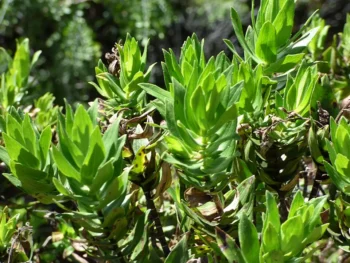
Cinderslope Dubautia: A Rare Hawaiian Treasure Worth Protecting
If you’re passionate about native Hawaiian plants and conservation gardening, you might have heard whispers about the cinderslope dubautia (Dubautia platyphylla). This remarkable little shrub is one of Hawaii’s botanical gems—but it’s also one that needs our help to survive.
What Makes Cinderslope Dubautia Special?
The cinderslope dubautia is a perennial shrub that’s as tough as it sounds. True to its name, this hardy plant has made its home on the volcanic cinder slopes of Hawaii, where few other plants dare to grow. It’s a multi-stemmed woody shrub that typically stays under 13-16 feet tall, making it a perfect size for most garden settings.
What really catches the eye are its cheerful clusters of small, yellow daisy-like flowers that seem to glow against the dark volcanic landscape. The narrow, elongated leaves give the plant an almost silvery appearance, creating a beautiful contrast with those sunny blooms.
Where Does It Come From?
This plant is a true Hawaiian native, found naturally only on the volcanic slopes and cinder areas of Maui and Hawaii Island. It’s perfectly adapted to life on these harsh, well-draining volcanic soils where many other plants simply can’t survive.
- Species observed
- No observations
The Conservation Reality Check
Here’s where things get serious: cinderslope dubautia has a Global Conservation Status of S2, which means it’s considered imperiled. With typically only 6 to 20 occurrences and fewer than 1,000 to 3,000 remaining individuals, this plant is fighting for survival. This rarity makes it especially vulnerable to extinction.
If you’re thinking about adding this plant to your garden, you absolutely can—but only with responsibly sourced material. This means purchasing from reputable native plant nurseries that propagate from legally collected seeds or cuttings, never from wild-collected plants.
Is This Plant Right for Your Garden?
Cinderslope dubautia shines in specific garden settings:
- Native Hawaiian plant collections
- Rock gardens and xerophytic landscapes
- Conservation and restoration projects
- Gardens that celebrate Hawaii’s unique flora
This isn’t a plant for every garden, but for those passionate about native Hawaiian species, it’s a wonderful way to support conservation while enjoying something truly special.
Growing Conditions and Care
The good news? Once you understand its needs, cinderslope dubautia is surprisingly low-maintenance. It thrives in USDA hardiness zones 10-11, making it suitable for tropical and subtropical climates.
Here’s what it loves:
- Excellent drainage (think volcanic, rocky soil)
- Full sun to partial shade
- Minimal water once established
- Protection from strong winds
Planting and Care Tips
When planting cinderslope dubautia, drainage is absolutely critical. If your soil tends to hold water, create raised beds or add plenty of pumice, cinder, or coarse sand. Water regularly during establishment, then back off—this plant prefers the tough love approach once its roots are settled.
The plant naturally attracts native Hawaiian insects and some introduced pollinators, making it a valuable addition to any native ecosystem garden.
The Bottom Line
Should you plant cinderslope dubautia? If you’re committed to conservation gardening and can source it responsibly, absolutely yes. Every plant grown in cultivation helps preserve the genetic diversity of this imperiled species. Just remember: this is a plant that carries responsibility along with its beauty.
By choosing to grow rare native plants like cinderslope dubautia, you’re not just creating a unique garden—you’re participating in conservation. And in Hawaii’s rapidly changing landscape, that might just make all the difference for species like this remarkable little survivor.