Cinnamon Fern: A Native Treasure for Your Shade Garden
If you’ve been searching for the perfect native plant to bring life to those shady, moist corners of your yard, let me introduce you to one of North America’s most charming ferns: the cinnamon fern (Osmunda cinnamomea). This perennial beauty has been gracing our continent’s landscapes long before European settlers arrived, and it’s ready to work the same magic in your garden.
What Makes Cinnamon Fern Special?
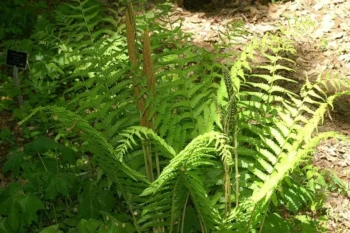
The cinnamon fern gets its delightful name from the distinctive cinnamon-colored fertile fronds that emerge in spring, standing tall like sentries among the bright green sterile fronds. These orange-brown fertile fronds are quite the conversation starter – they appear early in the season before fading away, leaving behind the elegant green foliage that will carry your garden through fall.
Growing to about 5 feet tall with a graceful, erect bunch-like growth form, this fern creates stunning natural clumps that look like they’ve been professionally designed by Mother Nature herself. The fine-textured, green foliage provides a lovely backdrop for other shade plants and maintains its beauty throughout the growing season.
Where Does Cinnamon Fern Call Home?
This truly American native has an impressive range, naturally occurring across a vast territory that includes most of the eastern United States and southeastern Canada. You’ll find wild cinnamon ferns from the Maritime provinces south to Florida, and west to Texas and Oklahoma. It’s also native to Puerto Rico, making it quite the continental traveler!
- Species observed
- No observations
Why Your Garden Will Love Cinnamon Fern
Here’s where cinnamon fern really shines as a garden plant:
- Native plant benefits: Supporting local ecosystems while reducing maintenance needs
- Shade tolerance: Thrives in partial to full shade where many plants struggle
- Moisture loving: Perfect for those soggy spots that challenge other plants
- Low maintenance: Once established, it’s pretty much hands-off gardening
- Seasonal interest: Those spring cinnamon fronds are pure garden gold
- Natural look: Creates that effortless woodland aesthetic
Perfect Garden Scenarios for Cinnamon Fern
This versatile native works beautifully in several garden styles:
- Woodland gardens: Pairs naturally with native wildflowers and other shade perennials
- Rain gardens: Its facultative wetland status makes it ideal for managing water runoff
- Naturalized areas: Creates authentic-looking native plant communities
- Shade borders: Provides reliable structure and texture under trees
- Stream or pond edges: Loves the extra moisture and looks completely at home
Growing Conditions: Making Cinnamon Fern Happy
The good news is that cinnamon fern isn’t particularly fussy once you understand its preferences:
- Light: Partial to full shade (it’s quite shade tolerant!)
- Soil: Prefers medium to fine-textured, acidic soils (pH 4.5-7.0)
- Moisture: Medium moisture needs – think consistently moist but not waterlogged
- Hardiness: Thrives in USDA zones 3-9, handling temperatures down to -33°F
- Drainage: Can handle medium anaerobic conditions, making it perfect for those challenging wet spots
Planting and Care Tips
Getting started with cinnamon fern is refreshingly straightforward:
Planting: Spring is ideal for planting. You’ll typically find cinnamon fern available in containers from native plant nurseries. Space plants about 2-3 feet apart to allow for their natural clumping growth.
Soil prep: If your soil is too alkaline, consider amending with organic matter like leaf mold or compost to lower the pH. The fern adapts well to medium and fine-textured soils.
Watering: Keep consistently moist, especially during the first growing season. Once established, it’s quite drought tolerant for a moisture-loving plant.
Maintenance: Here’s the best part – cinnamon fern is low maintenance! Simply cut back old fronds in late winter or early spring before new growth emerges. The moderate growth rate means you won’t be constantly managing an aggressive spreader.
A Few Things to Keep in Mind
While cinnamon fern is generally wonderful, there are a few considerations:
- It’s not fire tolerant, so avoid areas prone to wildfires
- No significant drought tolerance, so consistent moisture is key
- Takes time to establish – patience is required for the first year or two
- Like all ferns, it doesn’t provide nectar for pollinators (though it supports the broader ecosystem)
The Bottom Line
Cinnamon fern is one of those native plants that makes gardening feel effortless. It’s beautiful, well-behaved, and perfectly adapted to conditions that challenge many other plants. If you have a shady, moist spot that needs some natural elegance, or you’re looking to create a more sustainable, native landscape, cinnamon fern deserves a spot on your plant list.
Plus, there’s something deeply satisfying about growing a plant that’s been thriving on this continent for thousands of years. Your garden becomes part of a much larger, longer story – and that’s pretty special.