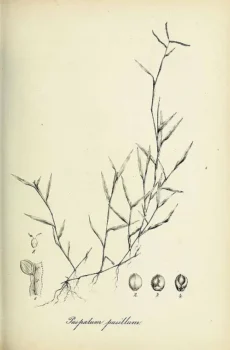
Circular Paspalum: A Caribbean Native Grass Perfect for Wet Spots
If you’re gardening in the Caribbean region and struggling with those persistently soggy spots in your landscape, let me introduce you to a fantastic native solution: circular paspalum (Paspalum orbiculatum). This unassuming perennial grass might not win any beauty contests, but it’s absolutely brilliant at what it does best—thriving in wet conditions while providing valuable ecosystem services.
What Is Circular Paspalum?
Circular paspalum is a low-growing, perennial grass native to Puerto Rico and the U.S. Virgin Islands. As its common name suggests, this grass is distinguished by its circular to oval-shaped leaf blades, which help it stand out from other grass species. It’s part of the Poaceae family and has adapted beautifully to the wet, tropical conditions of the Caribbean.
Where Does It Grow Naturally?
This Caribbean native has a fairly limited natural range, occurring naturally in Puerto Rico and the U.S. Virgin Islands. It’s perfectly adapted to the tropical climate and seasonal rainfall patterns of these islands, making it an excellent choice for gardeners in these regions who want to work with nature rather than against it.
- Species observed
- No observations
Why Consider Planting Circular Paspalum?
Here are several compelling reasons why this native grass deserves a spot in the right landscape:
- Native plant benefits: Supporting local ecosystems by choosing plants that naturally belong in your region
- Wetland specialist: Perfect for areas that stay consistently moist or experience seasonal flooding
- Low maintenance: Once established, it requires minimal care in appropriate conditions
- Erosion control: The dense mat-forming growth habit helps stabilize soil in wet areas
- Habitat value: Provides shelter and nesting material for small wildlife
Understanding Its Water Needs
One of the most important things to understand about circular paspalum is its relationship with water. In the Caribbean region, it’s classified as an obligate wetland plant, meaning it almost always occurs in wetlands and requires consistently moist conditions. However, in other regions where it might be grown, it can be more flexible with moisture levels.
Ideal Growing Conditions
Circular paspalum thrives in:
- Climate: USDA hardiness zones 10-11 (tropical and subtropical climates)
- Soil moisture: Consistently moist to wet soils
- Light: Full sun to partial shade
- Soil type: Adaptable to various soil types as long as moisture needs are met
Perfect Landscape Applications
This grass shines in specific landscape situations:
- Rain gardens: Excellent for managing stormwater runoff
- Pond margins: Natural-looking edges around water features
- Low-lying areas: Those spots where other plants struggle with too much moisture
- Naturalized wetland areas: Creating or restoring native plant communities
- Erosion-prone slopes: Especially those that receive regular moisture
Planting and Care Tips
Growing circular paspalum successfully is relatively straightforward if you can provide the right conditions:
- Timing: Plant during the warm, wet season for best establishment
- Spacing: Allow room for the grass to spread and form its natural mat
- Watering: Ensure consistent moisture, especially during establishment
- Fertilizing: Generally unnecessary if planted in appropriate wet conditions
- Maintenance: Minimal once established—occasional removal of debris or dead material
Is This Grass Right for Your Garden?
Circular paspalum is definitely not a grass for every situation. It’s best suited for gardeners in tropical climates (particularly in Puerto Rico and the U.S. Virgin Islands) who have consistently wet areas in their landscape. If you’re dealing with dry conditions or live outside its hardiness range, you’ll want to look for other native alternatives better suited to your specific climate and conditions.
However, if you’re in the right climate and have those challenging wet spots that other plants can’t handle, circular paspalum could be exactly what you need. It’s a perfect example of how choosing the right native plant for the right conditions can turn a landscape challenge into a beautiful, low-maintenance solution.
Remember, the key to success with any native plant is understanding its natural habitat and trying to replicate those conditions in your garden. With circular paspalum, that means embracing the wet spots rather than trying to fight them!