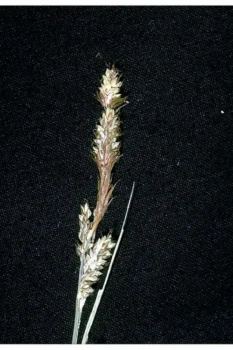
Circumpolar Sedge: A Hardy Arctic Native for Specialized Wetland Gardens
If you’re looking for a plant that can handle the coldest conditions North America has to offer, meet the circumpolar sedge (Carex adelostoma). This unassuming little graminoid might not win any beauty contests, but it’s got the kind of cold-weather toughness that would make a polar bear jealous. Before you get too excited though, this isn’t your typical backyard garden plant – it’s got some pretty specific needs that make it suitable for only the most specialized garden situations.
What Makes Circumpolar Sedge Special
Circumpolar sedge is a perennial grass-like plant that’s native to some of the coldest regions of Alaska and Canada. You’ll find this hardy little survivor growing naturally in Alaska, Manitoba, Quebec, Northwest Territories, Nunavut, Labrador, and Newfoundland. It’s also known by the synonym Carex morrisseyi, named after botanist A.E. Porsild.
- Species observed
- No observations
This sedge earns its circumpolar name from its distribution around the northern polar regions. As a true Arctic native, it’s adapted to conditions that would send most garden plants running for cover.
Growing Conditions: Not for the Faint of Heart
Here’s where things get interesting (and challenging). Circumpolar sedge is classified as an obligate wetland plant in Alaska, which means it almost always occurs in wetlands. This isn’t a plant you can just stick in your average garden bed and expect to thrive.
Ideal growing conditions include:
- Consistently wet to saturated soil
- Cold temperatures year-round
- USDA hardiness zones 1-4
- Acidic, bog-like soil conditions
- Full sun to partial shade
Is This Plant Right for Your Garden?
Let’s be honest – circumpolar sedge isn’t for everyone. In fact, it’s not for most people! This plant is best suited for:
- Specialized bog gardens in extremely cold climates
- Wetland restoration projects in northern regions
- Naturalistic landscapes that mimic Arctic conditions
- Educational or research gardens focused on Arctic plants
If you live in zones 5 and warmer, or if you don’t have a consistently wet area in your landscape, this probably isn’t the plant for you. But if you’re in the far north and working on a wetland garden or restoration project, circumpolar sedge could be exactly what you need.
Wildlife and Ecological Benefits
Like most sedges, circumpolar sedge is wind-pollinated, so it won’t attract bees and butterflies like flowering plants do. However, it plays an important role in its native Arctic ecosystems, providing habitat structure and contributing to the complex web of wetland life in these harsh environments.
Planting and Care Tips
If you’ve determined that circumpolar sedge is right for your specialized garden, here’s what you need to know:
- Sourcing: This plant can be difficult to find commercially. Check with specialized native plant nurseries in northern regions
- Planting: Plant in spring in consistently wet soil
- Watering: Keep soil saturated at all times – this plant cannot tolerate dry conditions
- Maintenance: Very low maintenance once established in proper conditions
- Propagation: Seed requires cold stratification; division possible but challenging
The Bottom Line
Circumpolar sedge is a fascinating example of plant adaptation to extreme conditions, but it’s definitely a specialist plant for specialist situations. If you’re working on wetland restoration in the far north or creating an authentic Arctic bog garden, this native sedge could be a valuable addition. For everyone else, there are plenty of other native sedges better suited to more typical garden conditions.
Sometimes the most interesting plants are the ones that remind us just how diverse and specialized the plant kingdom can be – and circumpolar sedge certainly fits that bill!