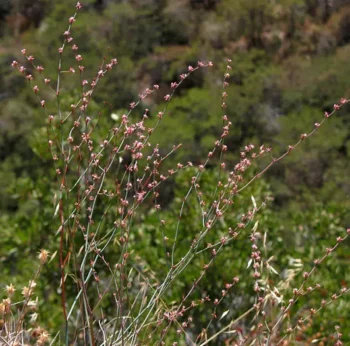
Cithara Buckwheat: A Rare California Native Worth Protecting
Meet Cithara buckwheat (Eriogonum cithariforme), one of California’s lesser-known native treasures. This annual wildflower belongs to the fascinating buckwheat family, and while it may not be as famous as its showier cousins, it plays an important role in California’s native plant communities.
What Makes Cithara Buckwheat Special?
Cithara buckwheat is what botanists call a forb – essentially a non-woody flowering plant that completes its entire life cycle in just one growing season. As an annual, it germinates from seed each year, flowers, produces seeds, and then dies back, leaving the next generation to carry on the following year.
What makes this plant particularly noteworthy is its rarity. With a Global Conservation Status of S3?, Cithara buckwheat falls into an undefined conservation category that suggests it may be of concern. This means it’s not commonly encountered in the wild, making it a special find for native plant enthusiasts.
Where Does Cithara Buckwheat Call Home?
This California endemic is found exclusively within the Golden State’s borders. As a plant native to the lower 48 states, it has evolved specifically to thrive in California’s unique climate and soil conditions over thousands of years.
- Species observed
- No observations
Should You Grow Cithara Buckwheat?
Here’s where things get a bit tricky. While Cithara buckwheat would be a wonderful addition to a native California garden, its rarity status means we need to be thoughtful about how we approach growing it.
Important considerations:
- Only source seeds or plants from reputable native plant nurseries
- Never collect seeds or plants from wild populations
- Consider this plant if you’re creating a conservation garden or supporting rare native species
- Be prepared that detailed growing information may be limited due to the plant’s rarity
Growing Cithara Buckwheat: What We Know
Unfortunately, because Cithara buckwheat is quite rare, detailed cultivation information is limited. However, we can make some educated guesses based on its classification and family characteristics:
As an annual forb in the buckwheat family, it likely prefers:
- Well-draining soils
- Full sun exposure
- Minimal summer water once established
- Direct seeding in fall for spring germination
Since it’s a California native annual, it has probably evolved to work with the state’s Mediterranean climate pattern of wet winters and dry summers.
A Plant Worth Protecting
While we may not know all the specifics about Cithara buckwheat’s garden performance or exact growing requirements, what we do know is that this little plant represents an important part of California’s botanical heritage. By choosing to grow rare natives like this one (with responsibly sourced material), gardeners can play a role in conservation while creating unique, locally-adapted landscapes.
If you’re interested in growing Cithara buckwheat, reach out to native plant societies in California or specialized native plant nurseries. They may have more detailed information about cultivation and can help ensure you’re sourcing your plants ethically.
Remember, every garden that includes rare native plants becomes a small sanctuary, helping to preserve California’s incredible botanical diversity for future generations.