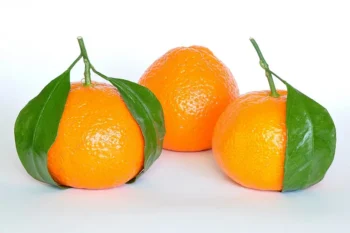
Growing Citrus: A Guide to These Beloved Non-Native Fruit Trees
If you’ve ever dreamed of plucking fresh oranges, lemons, or limes from your own backyard, you’re not alone! Citrus trees have captured gardeners’ hearts for centuries with their glossy leaves, fragrant blossoms, and delicious fruits. But before you start planning your home orchard, let’s explore what makes these plants tick and whether they’re right for your garden.
What Exactly is Citrus?
Citrus is a genus of perennial shrubs and small trees that includes all your favorite citrus fruits. These woody plants typically grow as multi-stemmed shrubs, usually staying under 13-16 feet tall, though they can grow taller or develop single trunks under the right conditions. Think of them as the overachievers of the plant world – they’re evergreen, they flower, they fruit, and they smell amazing while doing it all!
Native Status and Geographic Distribution
Here’s something that might surprise you: despite how common citrus trees are in American gardens, they’re actually non-native plants. These beauties originally hail from Southeast Asia, particularly southern China, northeastern India, and surrounding regions. However, they’ve made themselves quite at home in warmer parts of the United States.
Today, you’ll find established citrus populations growing wild (and reproducing on their own) in several states and territories, including Florida, Georgia, Louisiana, Texas, Puerto Rico, the U.S. Virgin Islands, and various Pacific territories.
- Species observed
- No observations
Why Gardeners Love Citrus
There are plenty of reasons why citrus trees have become garden favorites:
- Year-round beauty: Their glossy, dark green leaves look great in all seasons
- Fragrant flowers: Those small white blooms pack a powerful, sweet scent
- Delicious rewards: Fresh fruit right from your own yard – need we say more?
- Pollinator magnets: Bees and other beneficial insects love citrus flowers
- Versatile landscaping: Perfect for Mediterranean-style gardens, subtropical landscapes, or even container growing
Growing Conditions and Care
Citrus trees are a bit particular about their living conditions, but once you understand their needs, they’re relatively straightforward to grow:
Climate Requirements
- USDA Hardiness Zones: Most citrus varieties thrive in zones 9-11
- Temperature: They need warm temperatures and protection from frost
- Container growing: In colder climates, grow them in pots and bring indoors during winter
Planting and Care Tips
- Sunlight: Full sun is essential – at least 6-8 hours daily
- Soil: Well-draining soil is crucial; they hate wet feet
- Watering: Regular watering during growing season, but allow soil to dry between waterings
- Fertilizing: Feed with citrus-specific fertilizer during growing season
- Pruning: Light pruning to maintain shape and remove dead branches
Landscape Design Ideas
Citrus trees work wonderfully in various garden settings. They’re perfect for creating a Mediterranean vibe, work great as specimen plants, and can even serve as informal hedging in warmer climates. Container-grown citrus can dress up patios and provide moveable fragrance and beauty.
A Word About Native Alternatives
While citrus trees are generally well-behaved in gardens, it’s worth considering native alternatives that provide similar benefits to local wildlife. Depending on your region, native options might include:
- Native fruit-bearing shrubs and trees that support local wildlife
- Fragrant native flowering plants that attract pollinators
- Evergreen native shrubs for year-round structure
Check with your local native plant society or extension office for the best native alternatives in your area.
The Bottom Line
Citrus trees can be wonderful additions to gardens in appropriate climates. They offer beauty, fragrance, and homegrown fruit – a pretty sweet deal! Just remember they need warm conditions and good drainage to thrive. Whether you’re planning a full citrus grove or just want one potted lime tree for your patio, these plants can bring a touch of the tropics to your gardening life.
Before planting, always check if there are any local restrictions on citrus growing in your area, as some regions have regulations due to agricultural concerns. Happy gardening!