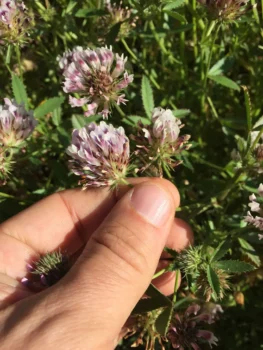
Clammy Clover: A Native Ground Cover Worth Getting to Know
Looking for a native ground cover that’s both practical and beneficial to local wildlife? Meet clammy clover (Trifolium obtusiflorum), a charming little annual that deserves more attention in native plant gardens across the West Coast.
What Is Clammy Clover?
Clammy clover is a native annual forb—basically a soft-stemmed plant without woody growth—that belongs to the legume family. Don’t let the clammy name put you off; this refers to the slightly sticky texture of its leaves and stems, not any unpleasant qualities! Like other clovers, it features the classic three-leaflet design and produces small, delicate flower clusters.
This native beauty is sometimes known by its botanical synonym Trifolium tridentatum var. obtusiflorum, but whatever you call it, it’s a genuine West Coast native with plenty to offer your garden.
Where Does Clammy Clover Call Home?
Clammy clover is native to California and Oregon, making it a perfect choice for gardeners in these states who want to support local ecosystems. It’s naturally adapted to the varied climates and conditions found throughout these regions, from coastal areas to inland valleys.
- Species observed
- No observations
Why Grow Clammy Clover?
There are several compelling reasons to consider adding this native clover to your landscape:
- Native pollinator magnet: The small flowers attract native bees, butterflies, and other beneficial insects
- Soil improvement: As a legume, it fixes nitrogen in the soil, naturally fertilizing surrounding plants
- Low maintenance: Once established, it requires minimal care and watering
- Wildlife habitat: Provides food and shelter for small wildlife and beneficial insects
- Erosion control: Its spreading growth habit helps stabilize soil
Garden Design and Landscape Uses
Clammy clover works beautifully in several garden settings:
- Native plant gardens: Perfect for authentic regional landscapes
- Wildflower meadows: Adds texture and nitrogen-fixing benefits
- Naturalized areas: Great for low-maintenance, eco-friendly spaces
- Ground cover: Fills in bare spots with native beauty
Growing Conditions and Care
One of clammy clover’s best features is its adaptability. Here’s what this flexible native prefers:
- Sunlight: Full sun to partial shade
- Soil: Well-draining soils; tolerates various soil types
- Water: Moderate water needs; drought-tolerant once established
- Hardiness zones: USDA zones 8-10
- Wetland tolerance: Facultative—can handle both wet and dry conditions
Planting and Care Tips
Growing clammy clover is refreshingly straightforward:
- Timing: Direct seed in fall or early spring for best results
- Seeding: Scatter seeds over prepared soil and lightly rake in
- Watering: Keep soil moist until germination, then reduce watering
- Maintenance: Minimal care needed—this native knows how to take care of itself!
- Annual lifecycle: Will self-seed in favorable conditions
The Bottom Line
Clammy clover might not be the showiest plant in your garden, but it’s exactly the kind of hardworking native that makes ecosystems thrive. If you’re gardening in California or Oregon and want to support local wildlife while enjoying a low-maintenance ground cover, this modest little clover could be just what you’re looking for. Sometimes the most valuable garden plants are the ones that quietly do their job while supporting the bigger picture of regional biodiversity.