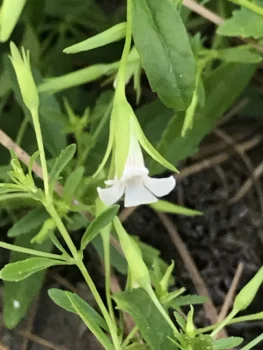
Clammy Hedgehyssop: A Tiny Native Treasure for Wet Spots
If you’ve got a perpetually soggy spot in your yard that makes you scratch your head, meet your new best friend: clammy hedgehyssop (Gratiola neglecta). This unassuming little native might not win any beauty contests, but it’s exactly what your wetland restoration project or rain garden has been waiting for.
What Exactly Is Clammy Hedgehyssop?
Don’t let the clammy part scare you off – it just refers to the slightly sticky texture of the leaves. This annual forb is a true North American native that’s been quietly doing its thing in wet places from coast to coast for centuries. As a herbaceous plant (meaning it doesn’t develop woody stems), clammy hedgehyssop completes its entire life cycle in a single growing season, but don’t worry – it’s excellent at making sure there’s a next generation.
Where Does It Call Home?
Talk about a well-traveled plant! Clammy hedgehyssop has one of the most impressive native ranges you’ll find, stretching across virtually the entire continent. You can find this adaptable little plant growing naturally from Alberta to Nova Scotia in Canada, and in almost every US state from Alabama to Wyoming. Whether you’re in the desert Southwest, the Great Lakes region, or anywhere in between, chances are this plant has been part of your local ecosystem longer than humans have been around.
- Species observed
- No observations
Why Your Garden Might Need This Wetland Wonder
Here’s where clammy hedgehyssop really shines – it’s an obligate wetland plant, which means it almost always occurs in wetlands across all regions of North America. This makes it incredibly valuable for:
- Rain gardens and bioswales
- Pond edges and stream banks
- Wetland restoration projects
- Areas with seasonal flooding
- Any consistently moist to wet garden spots
While its tiny white to pale purple tubular flowers might not stop traffic, they’re perfectly sized for small native pollinators like tiny bees and flies. Think of it as providing the equivalent of a corner café for the smaller members of your garden’s pollinator community.
Growing Clammy Hedgehyssop Successfully
The good news? If you’ve got the right conditions, this plant is remarkably easy to grow. The challenging news? Those conditions are pretty specific.
Ideal Growing Conditions
- Moisture: Consistently moist to wet soil – this isn’t negotiable
- Light: Full sun to partial shade
- Soil: Tolerates various soil types as long as they stay wet
- Climate: Hardy in USDA zones 3-9
Planting and Care Tips
Since clammy hedgehyssop is an annual, you’ll want to start from seed. Direct sow seeds in fall or early spring directly in wet soil – no need to fuss with starting them indoors. The seeds need that cold, wet period to germinate properly.
Once established, care is minimal. Just make sure the soil never dries out completely. The plant will self-seed readily in suitable conditions, so you’ll likely have volunteers popping up each year once you get it established.
Is This Plant Right for Your Garden?
Clammy hedgehyssop isn’t for everyone, and that’s okay! Consider adding it to your garden if you:
- Have consistently wet areas that other plants struggle with
- Are working on native plant or wetland restoration
- Want to support small native pollinators
- Appreciate subtle, naturalistic beauty over showy flowers
- Live anywhere within its extensive native range
Skip this one if you’re looking for a drought-tolerant plant, need something with serious visual impact, or don’t have reliably wet conditions.
The Bottom Line
Clammy hedgehyssop might not be the star of your garden show, but it’s the reliable supporting actor that makes everything else possible. In the right wet spot, it’s a low-maintenance native that supports local ecosystems while helping you work with your landscape’s natural conditions rather than against them. Sometimes the most valuable plants are the ones that quietly do their job without asking for applause – and this little wetland specialist does exactly that.