Clapweed: The Desert’s Architectural Marvel for Water-Wise Gardens
If you’re looking for a plant that laughs in the face of drought and brings sculptural beauty to your landscape, meet clapweed (Ephedra antisyphilitica). This remarkable native shrub might not win any popularity contests, but it’s a true champion of water-wise gardening with an otherworldly appearance that’s sure to spark conversation.
What Makes Clapweed Special?
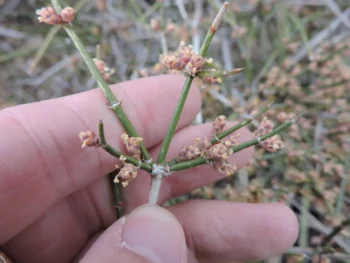
Clapweed is a perennial shrub that’s perfectly adapted to life in harsh desert conditions. This multi-stemmed woody plant typically reaches 4 to 5 feet in height, creating an upright, architectural presence in the landscape. What makes it truly unique is its almost alien appearance – instead of traditional leaves, clapweed features jointed, bright green stems that handle all the photosynthesis duties.
As a native species to the lower 48 states, clapweed has deep roots in American landscapes, quite literally. You’ll find this tough customer naturally growing in Oklahoma and Texas, where it has adapted to some of the continent’s most challenging growing conditions.
- Species observed
- No observations
Should You Plant Clapweed?
Clapweed earns its place in specific types of gardens, though it’s definitely not for everyone. Here’s what you need to know:
Perfect for:
- Xeriscape and desert-themed gardens
- Water-wise landscapes
- Native plant enthusiasts
- Gardeners seeking unique architectural plants
- Areas with poor, well-draining soils
Consider carefully if: You’re looking for traditional flowering plants or lush foliage. Clapweed’s appeal lies in its stark, minimalist beauty rather than colorful blooms or dense greenery.
Important Conservation Note
Clapweed has a conservation status of S3S4, which suggests it may face some population pressures in its native range. If you choose to grow this plant, make sure to source it from reputable native plant nurseries that propagate their own stock rather than wild-collecting. This helps protect wild populations while still allowing you to enjoy this unique species.
Growing Conditions and Care
One of clapweed’s greatest strengths is also its main growing requirement: it absolutely must have excellent drainage. This plant is adapted to desert conditions and will quickly succumb to root rot in soggy soils.
Ideal Growing Conditions:
- Full sun exposure
- Well-draining, even sandy or rocky soils
- USDA hardiness zones 7b through 10
- Minimal water once established
- Hot, dry climates
Planting and Care Tips
Successfully growing clapweed is all about mimicking its natural desert habitat:
- Soil preparation: Amend heavy soils with sand or gravel to improve drainage. Consider raised beds or mounded planting in areas with clay soil.
- Watering: Water deeply but infrequently during the first year to establish roots. Once established, natural rainfall should be sufficient in most areas.
- Fertilizer: None needed – this plant thrives in poor soils and excess nutrients can actually harm it.
- Pruning: Minimal pruning required; remove any dead or damaged stems in late winter.
- Mulching: Use gravel or stone mulch rather than organic mulches, which retain too much moisture.
Wildlife and Ecosystem Benefits
While clapweed isn’t a major pollinator magnet (it’s wind-pollinated rather than insect-pollinated), it does provide some wildlife benefits. The dense, twiggy growth can offer nesting sites for small birds, and the plant’s ability to thrive in harsh conditions makes it valuable for ecosystem restoration in appropriate regions.
Design Ideas and Landscape Uses
Clapweed shines as a specimen plant where its unique form can be appreciated. Consider using it as:
- A focal point in desert or Mediterranean-style gardens
- Part of a native plant collection
- An accent plant among rocks and boulders
- A structural element in minimalist landscape designs
- Grouped plantings for greater visual impact
The Bottom Line
Clapweed isn’t your typical garden center plant, but for the right gardener and the right location, it’s an exceptional choice. If you’re passionate about native plants, love unique architectural forms, and garden in a suitable climate with well-draining soil, clapweed could be the conversation starter your landscape needs. Just remember to source it responsibly and give it the desert conditions it craves.
This is definitely a plant for adventurous gardeners who appreciate the beauty of adaptation and the stark elegance of desert life. When grown in its preferred conditions, clapweed asks for almost nothing while delivering year-round structural interest and a genuine connection to America’s native plant heritage.