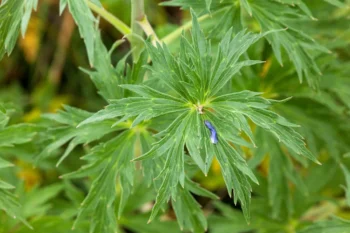
Clark Valley Larkspur: A Rare Arizona Native Worth Growing
Meet Clark Valley larkspur (Delphinium geraniifolium), a charming perennial wildflower that’s as rare as it is beautiful. This Arizona native brings the classic elegance of delphiniums to desert and southwestern gardens, offering something truly special for gardeners who appreciate native plants.
What Makes Clark Valley Larkspur Special?
This delicate forb produces the signature spurred flowers that make delphiniums so beloved, typically displaying lovely blue to purple blooms arranged in graceful spikes. As a perennial, it returns year after year once established, making it a worthwhile investment for patient gardeners.
Clark Valley larkspur is known scientifically as Delphinium geraniifolium, though you might also see it listed under its synonyms Delphinium amplibracteatum or Delphinium tenuisectum ssp. amplibracteatum in older references.
Where Does It Call Home?
This native beauty is found primarily in Arizona, where it has adapted to the unique growing conditions of the Southwest. Its limited geographic distribution makes it a true regional treasure.
- Species observed
- No observations
A Word About Rarity
Here’s something important to know: Clark Valley larkspur has a conservation status that suggests it may be uncommon in the wild. If you’re interested in growing this plant, please make sure to source it responsibly from reputable native plant nurseries that propagate their own stock rather than collecting from wild populations.
Perfect for Southwestern Gardens
This larkspur is ideally suited for:
- Native plant gardens featuring Arizona flora
- Xerophytic landscapes that celebrate drought-adapted plants
- Wildflower meadows with a southwestern theme
- Rock gardens with good drainage
- Collections of rare or unusual native plants
Growing Conditions and Care
Clark Valley larkspur is surprisingly adaptable when it comes to moisture. It has a facultative wetland status, meaning it can handle both wet and dry conditions, though in cultivation it typically prefers well-draining soils.
For best results, provide:
- Well-draining soil (essential for preventing root rot)
- Partial shade to full sun exposure
- Moderate water during establishment, then reduced irrigation
- Protection from extreme heat if possible
As a desert native, this plant is likely hardy in USDA zones 7-10, though it may benefit from some afternoon shade in the hottest climates.
Wildlife and Pollinator Benefits
Like other delphiniums, Clark Valley larkspur produces nectar-rich flowers with the characteristic spur that attracts specific pollinators. Hummingbirds and long-tongued bees are particularly drawn to these flowers, making this plant a valuable addition to pollinator gardens.
Is Clark Valley Larkspur Right for Your Garden?
This native larkspur is perfect for gardeners who:
- Live in Arizona or similar southwestern climates
- Want to support native plant conservation
- Appreciate unique, less common garden plants
- Are creating habitat for southwestern pollinators
- Enjoy the challenge of growing specialty natives
While Clark Valley larkspur may require some patience and the right growing conditions, it rewards dedicated gardeners with beautiful blooms and the satisfaction of preserving a piece of Arizona’s natural heritage. Just remember to source it responsibly and give it the well-draining conditions it craves!