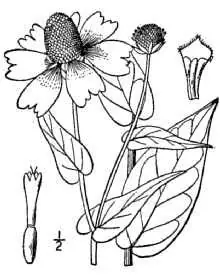
Clasping Coneflower: A Cheerful Native Annual for Your Garden
If you’re looking for a bright, easy-going native wildflower that practically grows itself, let me introduce you to the clasping coneflower (Dracopis amplexicaulis). This delightful annual might not be as famous as its cousin the black-eyed Susan, but it deserves a spot in every native plant lover’s garden. With its sunny yellow petals and dark chocolate centers, this charming wildflower brings late-season color when many other plants are starting to fade.
What Makes Clasping Coneflower Special
Clasping coneflower is a true native of the United States, naturally occurring across much of the southeastern and south-central regions. You’ll find it growing wild in Alabama, Arkansas, Florida, Georgia, Illinois, Kansas, Louisiana, Mississippi, Missouri, New Mexico, North Dakota, Oklahoma, South Carolina, and Texas. This wide distribution tells us something important: this plant is adaptable and tough.
- Species observed
- No observations
As an annual forb (that’s botanist-speak for a non-woody flowering plant), clasping coneflower completes its entire life cycle in one growing season. But don’t let that fool you into thinking it’s high-maintenance – quite the opposite! This rapid grower reaches about 2 feet tall and produces abundant seeds, often naturalizing beautifully in the right conditions.
Garden Appeal and Design Uses
What sets clasping coneflower apart is its late summer bloom period, when those cheerful yellow flowers with their prominent dark centers create a stunning display. The flowers are definitely the star of the show, sitting atop single stems with medium-textured green foliage. The plant’s erect growth habit makes it perfect for adding vertical interest to your garden beds.
This versatile native works wonderfully in:
- Wildflower meadows and prairie gardens
- Rain gardens and naturalized areas
- Cottage-style gardens for a relaxed, informal look
- Butterfly and pollinator gardens
- Native plant borders and mixed perennial beds
Growing Conditions and Care
Here’s where clasping coneflower really shines – it’s remarkably easy to grow! This adaptable plant thrives in USDA hardiness zones 4-9 and has some impressive tolerance levels:
- Soil: Accepts coarse, medium, or fine-textured soils with a pH between 6.0-7.5
- Water: High drought tolerance once established, though it appreciates consistent moisture
- Sun: Needs full sun (shade intolerant)
- Fertility: Low fertility requirements – no need to pamper this one!
The plant’s wetland status varies by region, but generally it’s quite flexible about moisture levels. In some areas it prefers wetland conditions, while in others it’s happy in regular garden soil. This adaptability makes it a great choice for gardeners dealing with varying moisture conditions.
Planting and Propagation Tips
Growing clasping coneflower from seed is your best bet, and it’s refreshingly simple:
- Direct sow seeds in fall or early spring
- No cold stratification required – just scatter and lightly cover
- With about 1.6 million seeds per pound, a little goes a long way!
- Seeds germinate quickly with high seedling vigor
- Plants have a rapid growth rate and high seed production
The beauty of this annual is that it often self-seeds, creating natural drifts in your garden without becoming weedy or invasive. The seeds don’t persist through winter, but they spread readily during their season, ensuring you’ll likely have plants returning year after year.
Wildlife and Pollinator Benefits
Those bright yellow flowers aren’t just pretty – they’re pollinator magnets! The late summer bloom time provides crucial nectar when many other flowers have finished for the season. Bees, butterflies, and other beneficial insects flock to the abundant blooms, making this plant a valuable addition to any wildlife-friendly garden.
The black seeds that follow the flowers add another layer of wildlife value, providing food for birds well into fall.
Why Choose Clasping Coneflower?
In a world of high-maintenance garden plants, clasping coneflower is a breath of fresh air. It’s native, low-maintenance, drought-tolerant, and provides late-season color when you need it most. Plus, with its rapid growth and self-seeding habit, you get maximum impact with minimum effort.
Whether you’re creating a prairie restoration, adding to a rain garden, or just want some cheerful native color in your borders, clasping coneflower delivers. It’s proof that some of the best garden plants are the ones that have been growing wild in our landscapes all along – we just need to give them a chance to shine in our gardens too.