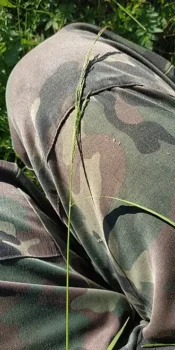
Clavate Bentgrass: A Hardy Native Grass for Wet Gardens
If you’re looking for a tough, cold-hardy native grass that thrives in consistently wet conditions, meet clavate bentgrass (Agrostis clavata). This unassuming perennial grass might not win any beauty contests, but it’s a reliable workhorse for challenging wet spots in northern gardens.
What Is Clavate Bentgrass?
Clavate bentgrass is a native perennial grass that belongs to the graminoid family—essentially the grass and grass-like plant crew that includes true grasses, sedges, and rushes. Don’t let the simple description fool you; this little grass has some serious cold-weather credentials.
Where Does It Come From?
This hardy native calls Alaska and northwestern Canada (specifically the Yukon Territory) home. It’s perfectly adapted to some of the most challenging growing conditions on the continent, thriving in areas where many other plants would throw in the towel.
- Species observed
- No observations
Why Consider Clavate Bentgrass for Your Garden?
Here’s where clavate bentgrass really shines—or rather, where it quietly does its job without complaint:
- Wetland specialist: Classified as an obligate wetland plant, it actually prefers soggy conditions that would drown other grasses
- Extreme cold tolerance: Hardy to USDA zones 1-4, making it perfect for the coldest regions
- Native plant benefits: Supports local ecosystems and requires no fertilizers or pesticides
- Low maintenance: Once established, it pretty much takes care of itself
What Does It Look Like?
Let’s be honest—clavate bentgrass isn’t going to be the star of your garden show. It’s a fine-textured grass with delicate foliage and small, inconspicuous seed heads. Think of it as the reliable supporting actor rather than the leading character in your landscape story.
Perfect Garden Spots for Clavate Bentgrass
This grass is ideal for specific garden situations:
- Rain gardens: Excellent for managing water runoff
- Bog gardens: Thrives in consistently saturated soils
- Wetland restoration projects: Helps restore natural wetland ecosystems
- Naturalistic landscapes: Perfect for creating authentic northern wetland scenes
Growing Conditions
Clavate bentgrass has some very specific preferences:
- Soil: Wet to saturated soils—this grass actually wants its feet wet!
- Light: Full sun to partial shade
- Climate: Cool, northern climates (zones 1-4)
- Water: Consistently moist to wet conditions
Planting and Care Tips
The good news is that once you get the growing conditions right, clavate bentgrass is pretty low-maintenance:
- Plant in spring after the last frost
- Ensure consistent moisture—never let it dry out completely
- No fertilization needed for this native species
- Allow it to go dormant naturally in winter
- Minimal pruning required—just remove dead material in spring if desired
Wildlife and Pollinator Benefits
As a wind-pollinated grass, clavate bentgrass doesn’t offer much in the way of flashy flowers for pollinators. However, as a native wetland species, it does provide habitat structure and supports the broader wetland ecosystem that many wildlife species depend on.
Is Clavate Bentgrass Right for Your Garden?
Consider clavate bentgrass if you:
- Live in USDA zones 1-4
- Have consistently wet or boggy areas in your landscape
- Want to support native plant communities
- Need a low-maintenance ground cover for challenging wet spots
- Are working on wetland restoration projects
Skip this grass if you’re looking for showy ornamental appeal or if you live in warmer, drier climates where it simply won’t thrive.
Clavate bentgrass may not be the most glamorous addition to your plant palette, but for northern gardeners dealing with wet, challenging sites, it’s a dependable native choice that quietly gets the job done while supporting local ecosystems.