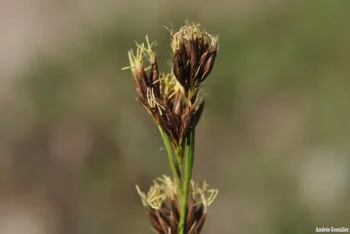
Claybank Beaksedge: A Specialized Native Sedge for Tropical Wetland Gardens
If you’re looking for a plant that screams look at me! claybank beaksedge probably isn’t your best bet. But if you’re passionate about native plants and have the right growing conditions, this unassuming sedge (Rhynchospora rugosa) might just be the perfect addition to your specialized garden.
What Is Claybank Beaksedge?
Claybank beaksedge is a perennial sedge that belongs to the grass-like plant family. Don’t let the name fool you – while it may look like grass to the untrained eye, it’s actually part of the sedge family (Cyperaceae). This native plant is quite the island specialist, naturally occurring only in Hawaii and Puerto Rico.
Where Does It Grow?
This sedge has a very limited native range, found only in Hawaii and Puerto Rico. It’s perfectly adapted to tropical and subtropical climates, thriving in USDA hardiness zones 10-11. If you live anywhere that experiences frost, this plant simply won’t survive in your garden.
- Species observed
- No observations
Why You Might (Or Might Not) Want to Grow It
Reasons to consider claybank beaksedge:
- You’re creating a native plant garden in Hawaii or Puerto Rico
- You have wet or consistently moist soil conditions
- You’re working on wetland restoration projects
- You appreciate subtle, naturalistic plantings over showy flowers
- You want low-maintenance plants once established
Reasons to skip it:
- You live outside zones 10-11
- You prefer colorful, ornamental plants
- Your garden has dry soil conditions
- You’re looking for plants that attract lots of pollinators
What Role Does It Play in the Garden?
Claybank beaksedge isn’t going to be the star of your flower border, but it serves important ecological functions. This sedge is perfect for rain gardens, wetland restoration projects, and naturalistic landscapes where you want to recreate native plant communities. It’s particularly valuable for erosion control in wet areas and provides habitat structure, though specific wildlife benefits aren’t well documented.
Growing Conditions and Care
This sedge has some pretty specific requirements, which makes sense given its limited natural range:
Moisture requirements: Claybank beaksedge has a facultative wetland status, meaning it usually prefers wet conditions but can tolerate some drier periods. In the Caribbean region, it’s classified as facultative, indicating it can grow in both wetlands and non-wetlands. In Hawaii, it leans more toward consistently wet conditions.
Light requirements: Full sun to partial shade works best for this adaptable sedge.
Soil preferences: Moist to wet soils are essential. It’s not picky about soil type as long as moisture levels remain adequate.
Climate needs: Strictly tropical and subtropical – zones 10-11 only.
Planting and Care Tips
Once you’ve confirmed you live in the right climate zone and have suitable growing conditions, claybank beaksedge is refreshingly low-maintenance:
- Plant in consistently moist soil – never let it completely dry out
- Choose a location that receives full sun to partial shade
- Water regularly during establishment, then natural rainfall should suffice in most tropical climates
- No fertilization needed – native plants are adapted to local soil conditions
- Minimal pruning required; remove dead material as needed
The Bottom Line
Claybank beaksedge won’t win any beauty contests, but it’s a valuable native plant for gardeners in Hawaii and Puerto Rico who want to support local ecosystems. If you have wet soil conditions and appreciate the subtle beauty of native plant communities, this sedge could be perfect for your naturalistic garden. Just remember – this is definitely a plant for specialists rather than the average flower gardener!
Looking for something similar but more widely adaptable? Consider other native sedges from your specific region that might offer similar ecological benefits with broader growing requirements.