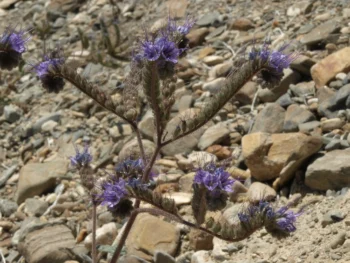
Cleftleaf Wildheliotrope: A Desert Gem for Water-Wise Gardens
If you’re looking to add a splash of purple to your desert or drought-tolerant garden, meet the cleftleaf wildheliotrope (Phacelia crenulata var. crenulata). This charming little annual might not have the showiest blooms in the plant kingdom, but what it lacks in size, it more than makes up for in resilience and pollinator appeal.
What Makes Cleftleaf Wildheliotrope Special?
This delicate forb is a true southwestern native, calling the arid regions of Arizona, California, Nevada, New Mexico, and Utah home. As an annual plant, it completes its entire life cycle in just one growing season, but don’t let that fool you into thinking it’s not worth your time. This scrappy little wildflower has adapted beautifully to some of the harshest conditions nature can dish out.
- Species observed
- No observations
The plant gets its common name from its distinctively scalloped, deeply-lobed leaves that look like they’ve been artistically notched along the edges. Its small purple to lavender flowers arrange themselves in coiled clusters called scorpioid cymes—a fancy way of saying they curl up like a scorpion’s tail as they bloom.
Why Your Garden (and Local Pollinators) Will Love It
Here’s where cleftleaf wildheliotrope really shines: it’s a pollinator magnet. Bees, butterflies, and other native pollinators absolutely adore these modest blooms. In a world where pollinator populations are struggling, adding native plants like this one to your garden is like rolling out the welcome mat for these essential creatures.
As a native species, cleftleaf wildheliotrope has co-evolved with local wildlife and requires no pampering once established. It’s perfectly adapted to the boom-and-bust cycles of desert rainfall and can thrive in poor soils that would leave other plants gasping.
Perfect for These Garden Styles
- Desert gardens and xeriscapes
- Native wildflower meadows
- Water-wise landscapes
- Naturalized areas
- Pollinator gardens
Growing Cleftleaf Wildheliotrope Successfully
The beauty of this plant lies in its simplicity. Cleftleaf wildheliotrope thrives in USDA hardiness zones 8-10 and asks for very little from its human caretakers.
Sunlight: Give it full sun—this desert dweller loves to bask in bright light all day long.
Soil: Well-draining sandy or rocky soils are ideal. In fact, this plant actually prefers poor soils over rich, amended garden beds. If your soil holds water, consider adding sand or gravel to improve drainage.
Water: Once established, this drought-tolerant champion needs minimal supplemental watering. Overwatering is more likely to harm it than help it.
Planting and Care Tips
The best time to sow cleftleaf wildheliotrope seeds is in the fall, allowing winter rains to naturally germinate them. Simply scatter seeds directly in your garden area—no need for starting them indoors or fussing with transplants.
Here are some key care tips:
- Direct seed in fall for spring blooms
- Avoid fertilizing—rich soils can actually weaken the plant
- Water sparingly once established
- Allow plants to self-seed for future generations
- No pruning or deadheading required
The Bottom Line
Cleftleaf wildheliotrope might not be the flashiest addition to your garden, but it’s definitely one of the most practical. This low-maintenance native annual offers reliable color, supports local wildlife, and asks for almost nothing in return. Perfect for gardeners who want to work with nature rather than against it, this little wildflower proves that sometimes the best things really do come in small packages.
Whether you’re establishing a new xeriscape or adding native diversity to an existing desert garden, cleftleaf wildheliotrope deserves a spot on your plant list. Your local pollinators—and your water bill—will thank you.