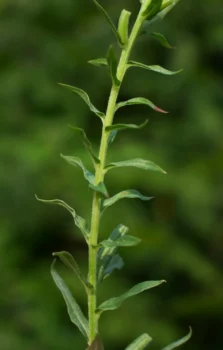
Cleland’s Evening Primrose: A Rare Native Gem for Your Garden
If you’re looking to add a touch of native charm to your garden while supporting local ecosystems, Cleland’s evening primrose (Oenothera clelandii) might be just the plant you’re seeking. This delicate native wildflower brings evening magic to gardens across the Great Lakes region and beyond, though it’s becoming increasingly rare in parts of its range.
What Makes Cleland’s Evening Primrose Special?
Cleland’s evening primrose is a native North American wildflower that belongs to the evening primrose family. As a biennial or short-lived perennial forb, this herbaceous plant lacks woody stems and instead produces soft, green growth that dies back seasonally. What sets it apart from other garden plants is its enchanting evening bloom time – the delicate yellow flowers typically open in the late afternoon or evening, creating a subtle but beautiful display.
Where Does It Naturally Grow?
This native beauty calls both Canada and the United States home, with populations scattered across Ontario and multiple U.S. states including Arkansas, Illinois, Indiana, Iowa, Kentucky, Michigan, Minnesota, Missouri, New Jersey, New York, Ohio, South Carolina, West Virginia, and Wisconsin. Its distribution centers around the Great Lakes region and extends into parts of the Southeast.
- Species observed
- No observations
Important Conservation Note
Before you rush out to find this plant, here’s something crucial to know: Cleland’s evening primrose is considered critically imperiled (S1 status) in Arkansas, meaning it’s at high risk of disappearing from that state. If you’re interested in growing this species, it’s essential to source plants or seeds responsibly from reputable native plant nurseries rather than collecting from wild populations. This helps protect existing populations while still allowing gardeners to enjoy and preserve this special plant.
Garden Appeal and Design Uses
While Cleland’s evening primrose may not be the showiest plant in your garden, it offers subtle charm that’s perfect for certain situations. The small, four-petaled yellow flowers (typically 1-2 inches across) create a delicate evening display that’s particularly appealing in naturalized settings. This plant works beautifully in:
- Native plant gardens
- Prairie restoration projects
- Wildflower meadows
- Informal cottage gardens
- Moon gardens (gardens designed for evening enjoyment)
Pollinator and Wildlife Benefits
Like other evening primroses, Cleland’s evening primrose is particularly valuable for nighttime pollinators. Moths and other evening-active insects are drawn to its flowers, making it an excellent choice for gardeners wanting to support the full spectrum of pollinating insects, not just daytime butterflies and bees.
Growing Conditions and Care
One of the best things about native plants like Cleland’s evening primrose is that they’re adapted to local conditions, making them relatively low-maintenance once established. This species thrives in:
- Full sun to partial shade locations
- Well-drained soils (it’s quite tolerant of poor soils)
- USDA hardiness zones 4-7
- Areas that don’t stay consistently wet
Planting and Care Tips
Growing Cleland’s evening primrose successfully is quite straightforward:
- Plant in spring after the last frost date
- Choose a location with good drainage – soggy soils can be problematic
- Water regularly during the first growing season to help establish roots
- Once established, it’s quite drought-tolerant
- Allow some plants to go to seed if you want natural reseeding
- Minimal fertilization needed – native plants often prefer lean soils
Is This Plant Right for Your Garden?
Cleland’s evening primrose is perfect for gardeners who:
- Want to support native plant conservation
- Enjoy subtle, naturalistic beauty over bold displays
- Are creating wildlife habitat gardens
- Appreciate evening-blooming plants
- Live within its natural hardiness range
It might not be the best choice if you’re looking for constant, showy blooms or need plants for formal garden designs.
A Plant Worth Preserving
By choosing to grow Cleland’s evening primrose from responsibly sourced materials, you’re not just adding a lovely native plant to your garden – you’re participating in conservation efforts for a species that needs our help. This gentle evening bloomer reminds us that sometimes the most valuable garden plants are the quiet ones that work behind the scenes to support local ecosystems while adding their own special charm to our outdoor spaces.