Clemente’s Rosette Lichen: A Fascinating Natural Garden Visitor
Have you ever noticed crusty, leafy patches growing on rocks, tree bark, or even old fences in your garden? You might be looking at a lichen! Today, we’re diving into the world of Clemente’s rosette lichen (Physcia clementei), a native North American species that’s more interesting than you might think.
What Exactly Is Clemente’s Rosette Lichen?
First things first – lichens aren’t plants in the traditional sense. They’re actually fascinating partnerships between fungi and algae (or sometimes cyanobacteria) living together in perfect harmony. Think of it as nature’s ultimate roommate situation, where both partners benefit from the arrangement!
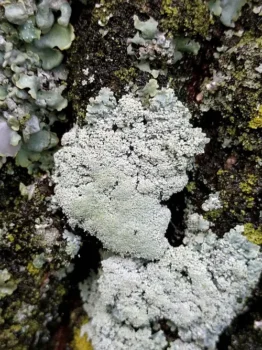
Clemente’s rosette lichen, scientifically known as Physcia clementei, is a native species found across North America. You might also encounter it listed under its synonym, Physcia astroidea. This little marvel belongs to the diverse world of foliose lichens, which means it has a leafy, somewhat flat appearance.
Where You’ll Find This Native Wonder
As a native North American species, Clemente’s rosette lichen has been quietly doing its thing in our ecosystems long before any of us started gardening. While specific distribution details for this particular species are limited in readily available sources, lichens in the Physcia genus are generally widespread and adaptable.
Is It Good for Your Garden?
Here’s the cool part – lichens like Clemente’s rosette lichen are actually fantastic indicators of good air quality! If you spot lichens thriving in your garden, it’s a sign that your local environment is relatively clean and healthy. They’re like nature’s air quality monitors, working 24/7 for free.
While you won’t be planting this lichen in the traditional sense, having it appear naturally in your garden is definitely a good thing. Lichens:
- Help stabilize soil and prevent erosion
- Provide food and nesting materials for various small creatures
- Add unique textures and colors to natural landscapes
- Indicate healthy environmental conditions
How to Identify Clemente’s Rosette Lichen
Identifying specific lichen species can be tricky even for experts, but here are some general characteristics to look for in Physcia lichens:
- Leafy or rosette-like growth pattern (hence the name!)
- Typically grows on bark, rocks, or other hard surfaces
- Usually gray-green to brownish in color
- Flat, somewhat circular growth form
- May have tiny cup-like structures (apothecia) for reproduction
Remember, lichen identification often requires microscopic examination and chemical tests, so don’t worry if you can’t be 100% certain about the exact species you’re observing.
Living Alongside Lichens
The best approach to lichens in your garden is simply to appreciate them when they appear naturally. They’re incredibly slow-growing and sensitive to environmental changes, so their presence indicates a stable, healthy ecosystem.
Avoid using harsh chemicals or pressure washing areas where lichens grow, as these can damage or kill these delicate organisms. Instead, consider them natural decorations that add character and ecological value to your outdoor spaces.
While Clemente’s rosette lichen might not be the showiest addition to your garden, it’s certainly one of the most environmentally significant. Next time you’re wandering through your outdoor space, take a moment to appreciate these remarkable partnerships between fungi and algae – they’re truly one of nature’s most successful collaborations!