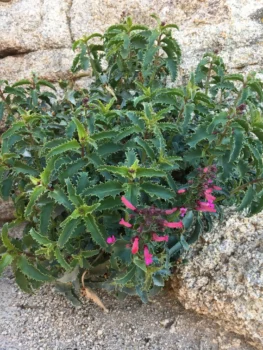
Cleveland’s Beardtongue: A Mojave Desert Gem for Water-Wise Gardens
If you’re looking to add a touch of desert elegance to your water-wise garden, Cleveland’s beardtongue (Penstemon clevelandii mohavensis) might just be the perfect choice. This hardy native perennial brings both beauty and ecological value to landscapes across California, proving that you don’t need constant watering to create a stunning garden display.
What Makes Cleveland’s Beardtongue Special?
Cleveland’s beardtongue is a true California native, specifically adapted to life in the Mojave Desert region. As a perennial herb, this plant returns year after year, gradually establishing itself as a reliable garden performer. Unlike woody shrubs, it maintains a softer, more herbaceous growth habit while still providing lasting structure to your landscape.
This plant is found naturally in California, where it has evolved to thrive in challenging desert conditions. The scientific community also recognizes it by the synonym Penstemon clevelandii var. mohavensis, reflecting its close relationship to other Cleveland’s beardtongue varieties.
- Species observed
- No observations
Why Choose This Native Beauty?
There are several compelling reasons to consider adding Cleveland’s beardtongue to your garden:
- Water-wise gardening: Once established, this desert native requires minimal irrigation, making it perfect for drought-tolerant landscapes
- Native plant benefits: Supporting local ecosystems by choosing plants that naturally belong in your region
- Low maintenance: Adapted to local conditions means less work for you
- Pollinator support: Like other penstemons, it likely attracts beneficial insects and hummingbirds
A Word About Conservation
Cleveland’s beardtongue has a somewhat uncertain conservation status, which means it’s important to source your plants responsibly. Always purchase from reputable native plant nurseries that propagate their stock rather than collecting from wild populations. This ensures you’re supporting conservation efforts while enjoying this beautiful native in your garden.
Perfect Garden Settings
This desert native shines brightest in:
- Xeriscape and drought-tolerant gardens
- Desert-themed landscapes
- Native plant gardens
- Rock gardens with excellent drainage
- Mediterranean-style plantings
Growing Cleveland’s Beardtongue Successfully
While specific growing information for this variety is limited, desert penstemons generally follow similar care requirements:
Sun and Soil: Provide full sun exposure and ensure excellent drainage. These plants typically despise soggy conditions and thrive in sandy or gravelly soils that mimic their natural desert habitat.
Watering: Water deeply but infrequently once established. During the first year, provide supplemental water to help roots establish, then gradually reduce irrigation.
Climate Considerations: Being adapted to the Mojave Desert, this plant likely performs best in USDA hardiness zones 8-10, though local microclimates can extend its range.
The Bottom Line
Cleveland’s beardtongue represents the perfect intersection of beauty, sustainability, and low-maintenance gardening. By choosing this native California perennial, you’re not just adding an attractive plant to your landscape—you’re participating in conservation efforts and creating habitat for local wildlife. Just remember to source your plants responsibly, and you’ll be rewarded with a resilient, water-wise addition that celebrates the natural heritage of the Golden State.
Whether you’re creating a dedicated native plant garden or simply looking to reduce your landscape’s water needs, this desert gem deserves serious consideration for your next planting project.