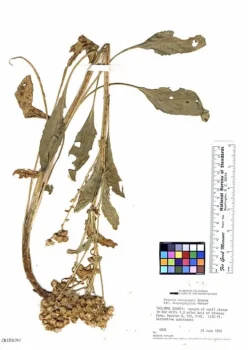
Cleveland’s Ragwort: A Golden California Native for Water-Wise Gardens
Looking for a cheerful native plant that won’t demand constant attention from your garden hose? Meet Cleveland’s ragwort (Packera clevelandii), a delightful California native that brings sunshine-yellow blooms to drought-tolerant landscapes. This perennial forb might not have the flashiest name, but it packs a punch when it comes to adding color and supporting local wildlife.
What is Cleveland’s Ragwort?
Cleveland’s ragwort is a perennial flowering plant native to California. As a forb, it’s an herbaceous plant that lacks woody tissue above ground, meaning it dies back to its roots each year and regrows from underground structures. You might also encounter this plant in older botanical references under its former scientific names, Senecio clevelandii or Senecio clevelandii var. heterophyllus.
Where Does Cleveland’s Ragwort Grow Naturally?
This golden beauty calls California home, thriving in the Golden State’s Mediterranean climate. Its natural range extends from Southern California into Baja California, Mexico, where it has adapted to the region’s characteristic wet winters and dry summers.
- Species observed
- No observations
Why Plant Cleveland’s Ragwort?
There are several compelling reasons to consider adding this native to your garden:
- Pollinator magnet: The clusters of small, daisy-like yellow flowers attract native bees, butterflies, and other beneficial insects
- Water-wise: Once established, it requires minimal irrigation, perfect for drought-conscious gardeners
- Low maintenance: This hardy native thrives with minimal care once it’s settled in
- Authentic habitat: Supports local ecosystems and provides food sources for native wildlife
- Aesthetic appeal: Bright yellow blooms and silvery-green foliage add visual interest to gardens
Where to Use Cleveland’s Ragwort in Your Landscape
This versatile native works beautifully in several garden settings:
- Native plant gardens: Pairs perfectly with other California natives
- Mediterranean-style landscapes: Complements the drought-tolerant aesthetic
- Rock gardens: Thrives in well-draining, rocky conditions
- Xeriscape designs: An excellent choice for water-conservation landscaping
- Groundcover applications: Can spread to form attractive colonies
Growing Conditions and Care
Cleveland’s ragwort is refreshingly easy to grow when you match its preferences:
- Sunlight: Full sun to partial shade
- Soil: Well-draining soil is essential; tolerates sandy and rocky conditions
- Water: Drought tolerant once established; prefers dry summers
- Climate: Best suited for USDA hardiness zones 9-11
- Maintenance: Minimal care required after establishment
Special Considerations
Cleveland’s ragwort has an interesting relationship with moisture. While it’s classified as a facultative wetland plant in both the Arid West and Western Mountains regions, this means it can handle occasional wet conditions but doesn’t require them. In garden settings, it’s more commonly grown as a drought-tolerant plant that appreciates good drainage.
The plant may go dormant during the hottest part of summer, which is completely natural behavior. Don’t worry if it looks less vigorous during peak heat – it’s just conserving energy for cooler weather.
Planting and Care Tips
- Plant in fall or early spring for best establishment
- Ensure excellent drainage to prevent root rot
- Water regularly during the first growing season, then reduce frequency
- Allow the plant to go dormant naturally in summer heat
- Deadhead spent flowers if you prefer a tidier appearance
- Divide clumps every few years if they become overcrowded
The Bottom Line
Cleveland’s ragwort offers California gardeners an opportunity to grow a beautiful native plant that supports local wildlife while requiring minimal resources. Its cheerful yellow blooms, low water needs, and ability to attract pollinators make it a smart choice for sustainable landscaping. Whether you’re creating a dedicated native garden or simply want to add some drought-tolerant color to your landscape, this golden California native deserves consideration.
By choosing plants like Cleveland’s ragwort, you’re not just beautifying your space – you’re also supporting the natural heritage of California’s unique ecosystems.