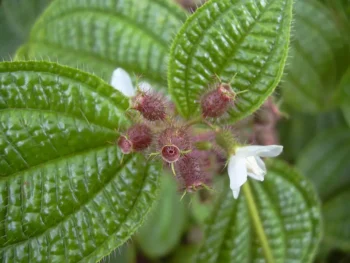
Clidemia: A Tropical Shrub with Complex Origins
If you’ve stumbled across the name clidemia in your gardening research, you might be wondering what exactly this plant is and whether it belongs in your garden. This tropical shrub has a somewhat complicated story when it comes to where it’s native and where it’s been introduced, making it an interesting case study for gardeners who care about choosing the right plants for their landscape.
What is Clidemia?
Clidemia is a perennial shrub that typically grows as a multi-stemmed woody plant, usually staying under 13-16 feet in height. Like most shrubs, it develops several stems from or near the ground, creating a bushy appearance that can add structure to your garden’s understory.
The plant goes by the simple common name clidemia, though you might encounter it referred to by its botanical name in nurseries or plant catalogs.
Where Does Clidemia Come From?
Here’s where things get interesting – and a bit complicated. Clidemia has a complex native status that varies depending on where you’re gardening:
- It’s native to the lower 48 United States
- It’s also native to Puerto Rico and the U.S. Virgin Islands
- In Hawaii, it’s considered non-native but has established itself in the wild
- It’s also non-native but naturalized in other Pacific Basin locations
Currently, you can find clidemia growing in Hawaii, Palau, Puerto Rico, and the Virgin Islands, whether as a native species or an introduced one that’s made itself at home.
- Species observed
- No observations
Should You Plant Clidemia in Your Garden?
The answer depends largely on where you’re gardening and what your goals are. Since the invasive status of clidemia isn’t well-documented in available resources, it’s worth approaching this plant with some caution, especially if you’re gardening in areas where it’s not native.
If you’re gardening in Hawaii or other Pacific locations where clidemia isn’t native, you might want to consider native alternatives instead. Local native plant societies or extension offices can point you toward shrubs that will provide similar benefits without the uncertainty.
Growing Clidemia Successfully
If you do decide to grow clidemia, here’s what you need to know about keeping it happy:
Growing Conditions
As a tropical shrub, clidemia thrives in warm, humid environments. It’s likely suited for USDA hardiness zones 9-11, based on its current distribution in tropical and subtropical areas.
Care Requirements
While specific care information for clidemia is limited in available resources, most tropical shrubs of this type prefer:
- Consistent moisture without waterlogged conditions
- Partial shade, especially in hotter climates
- Protection from cold temperatures and frost
- Well-draining soil enriched with organic matter
Garden Design Considerations
Clidemia can work well as an understory shrub in tropical or subtropical landscape designs. Its multi-stemmed growth habit makes it suitable for:
- Creating natural screens or privacy barriers
- Adding structure to informal garden beds
- Filling in lower levels of layered plantings
The Bottom Line
Clidemia represents one of those plants that highlights the importance of understanding a species’ native status and potential impacts in your area. While it may be a perfectly fine choice in its native range, gardeners in areas where it’s been introduced should consider whether native alternatives might be a better choice for supporting local ecosystems.
Before adding clidemia to your garden, check with local gardening experts, native plant societies, or extension services to understand how this plant behaves in your specific area. They can also suggest native alternatives that might provide similar aesthetic and functional benefits while supporting local wildlife and ecosystems.
Remember, the best gardens are those that work in harmony with their local environment – and sometimes that means passing on plants that might be lovely but aren’t the best fit for your particular corner of the world.