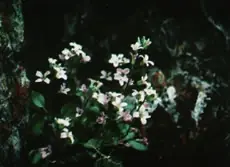
Cliffdweller: A Rare California Native Worth Protecting
Meet the cliffdweller (Caulostramina jaegeri), a plant that’s as elusive as its name suggests. This little-known California native is one of those botanical gems that most gardeners will never encounter – and for good reason. It’s incredibly rare and deserves our respect and protection.
What Exactly Is Cliffdweller?
Cliffdweller is a perennial forb, which is botanist-speak for a non-woody plant that comes back year after year. Think of it as an herbaceous perennial that stays low to the ground rather than developing any woody stems or bark. It belongs to the mustard family (Brassicaceae) and was previously known by the scientific name Thelypodium jaegeri before taxonomists gave it its current classification.
Where Does Cliffdweller Grow?
This plant is a true California endemic, meaning it grows naturally nowhere else in the world except within California’s borders. It’s what we call a California special – one of those unique species that makes our state’s flora so distinctive and precious.
- Species observed
- No observations
Why This Plant Needs Our Protection
Here’s where things get serious: cliffdweller has a Global Conservation Status of S2, which means it’s imperiled. In plain English, this plant is in trouble. With typically only 6 to 20 known populations and somewhere between 1,000 to 3,000 individual plants remaining in the wild, every single cliffdweller plant is precious.
This rarity status means that cliffdweller faces extreme risk of extinction due to its limited numbers and specialized habitat requirements. Climate change, development, and habitat destruction all pose ongoing threats to its survival.
Should You Grow Cliffdweller in Your Garden?
This is where we need to have an honest conversation. While cliffdweller is undoubtedly a fascinating native plant, it’s not one that most gardeners should attempt to grow. Here’s why:
- Its extreme rarity means seeds or plants are not commercially available through regular nursery channels
- We don’t have enough information about its specific growing requirements to ensure success in cultivation
- Any attempt to grow this plant should only be done with material that’s been responsibly and legally sourced
- It’s likely adapted to very specific environmental conditions that would be difficult to replicate in most home gardens
How You Can Help Instead
Rather than trying to grow cliffdweller, here are better ways to support this rare species:
- Support organizations working on California native plant conservation
- Choose other California native plants for your garden that aren’t imperiled
- Participate in citizen science projects that help track rare plant populations
- Advocate for habitat protection in areas where rare plants like cliffdweller still survive
Better Alternatives for Your Garden
If you’re drawn to the idea of growing rare California natives, consider these more readily available options that won’t contribute to conservation concerns:
- Other members of the mustard family that are more common and garden-friendly
- Local native plants specific to your region of California
- Native plants recommended by your local native plant society chapter
The Bottom Line
Cliffdweller represents something precious in our natural world – a plant that has evolved specifically for California’s unique conditions but now hangs by a thread. While we can’t all grow it in our backyards, we can all appreciate its existence and work to protect the wild places where it still survives.
Sometimes the best way to love a plant is to admire it from afar and ensure that future generations will have the chance to discover it in its natural habitat. That’s the gift we can give to cliffdweller and other imperiled species – the gift of protection and respect.