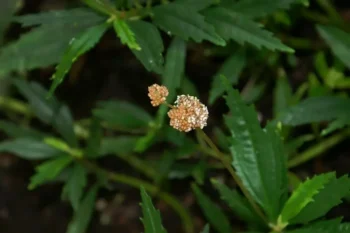
Cliffside Clearweed: A Hidden Gem of Puerto Rican Native Flora
If you’re passionate about native plants and happen to garden in Puerto Rico, you might want to get acquainted with cliffside clearweed (Pilea semidentata). This understated native perennial represents the kind of local flora that often gets overlooked in favor of showier ornamentals, but it deserves a closer look for its authentic Caribbean heritage and adaptable nature.
What Makes Cliffside Clearweed Special?
Cliffside clearweed is a perennial forb, which simply means it’s a soft-stemmed plant (not woody like a shrub or tree) that comes back year after year. As a member of the nettle family, don’t worry—this particular species won’t give you the stinging surprise that some of its relatives might! It’s a true Puerto Rican native, meaning it evolved naturally in the Caribbean landscape long before any human gardeners arrived on the scene.
Where Does It Call Home?
This plant is endemic to Puerto Rico, making it a genuine piece of the island’s natural heritage. You won’t find cliffside clearweed growing wild anywhere else in the world—it’s exclusively Caribbean, exclusively yours if you’re gardening in Puerto Rico.
- Species observed
- No observations
The Wetland Connection
One of the most interesting aspects of cliffside clearweed is its flexible relationship with water. It’s classified as facultative when it comes to wetland conditions, which is a fancy way of saying it’s perfectly happy growing in both wet and dry conditions. This adaptability makes it potentially valuable for:
- Rain gardens and areas with variable moisture
- Naturalized landscapes where water levels fluctuate
- Transitional zones between wet and dry garden areas
The Challenge (And Opportunity) of Growing Cliffside Clearweed
Here’s where things get interesting—and a bit challenging. Cliffside clearweed is one of those native plants that hasn’t made it into mainstream horticulture yet. This means you won’t find detailed growing guides, specific care instructions, or plants readily available at your local garden center.
But for the adventurous native plant enthusiast, this represents an opportunity rather than an obstacle. Growing lesser-known natives like cliffside clearweed means you’re:
- Supporting true local biodiversity
- Creating habitat that co-evolved with local wildlife
- Potentially helping preserve a species that might otherwise be overlooked
- Adding authenticity to your native plant garden
What We Know (And What We Don’t)
The reality is that detailed cultivation information for cliffside clearweed is scarce. What we do know is that as a native Puerto Rican perennial with facultative wetland status, it’s likely quite adaptable to local conditions. Most Pilea species prefer:
- Partial shade to filtered light
- Consistently moist but well-draining soil
- Protection from harsh afternoon sun
However, these are educated guesses based on related species rather than specific cultural requirements for Pilea semidentata.
Should You Grow It?
If you’re gardening in Puerto Rico and are passionate about native plants, cliffside clearweed could be worth seeking out—with a few caveats:
Consider it if you:
- Are committed to preserving local plant heritage
- Enjoy the challenge of growing lesser-known species
- Have areas with variable moisture conditions
- Want to create authentic native habitat
Think twice if you:
- Prefer plants with well-documented care requirements
- Need guaranteed results for a specific landscape design
- Are new to native plant gardening
The Bigger Picture
Plants like cliffside clearweed remind us that native flora includes many species that haven’t been discovered by mainstream horticulture. While we may not know all the details about growing this particular plant, we do know that native species like this one play important roles in local ecosystems—even if those roles aren’t fully documented yet.
If you’re interested in growing cliffside clearweed, your best bet is to connect with local native plant societies, botanical gardens, or conservation groups in Puerto Rico. They may have insights, seed sources, or even specimens that aren’t available through commercial channels.
Sometimes the most rewarding plants to grow are the ones that require a little detective work, a spirit of experimentation, and a commitment to preserving the unique natural heritage of your specific place on Earth.