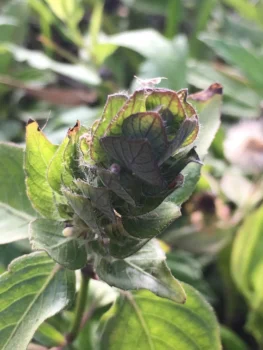
Climbing Aster: A Native Treasure for Wet Gardens
If you’ve been searching for a native plant that thrives in those soggy spots where other flowers fear to tread, let me introduce you to the climbing aster (Ampelaster carolinianus). This delightful southeastern native might not be the most famous flower in the garden center, but it’s definitely one worth getting to know – especially if you’re dealing with wet soil conditions that make other gardeners throw in the trowel.
What Makes Climbing Aster Special?
Climbing aster is a perennial shrub that brings late-season color to wetland areas when many other plants are calling it quits for the year. Despite its name, this isn’t your typical climbing vine – it’s actually a multi-stemmed woody shrub that typically stays under 13-16 feet tall. The climbing part of its name likely refers to its somewhat sprawling growth habit rather than any serious vertical ambitions.
You might also see this plant listed under its scientific synonyms like Aster carolinianus, but Ampelaster carolinianus is the current accepted name. Think of it as the plant world’s version of a stage name change!
Where Does It Call Home?
This southeastern belle is native to the lower 48 states, with its natural range concentrated in Florida, Georgia, Mississippi, North Carolina, and South Carolina. It’s perfectly adapted to the humid, wet conditions of the Atlantic and Gulf Coastal Plains, where it thrives in areas that would leave other plants reaching for their life jackets.
- Species observed
- No observations
The Wet Soil Specialist
Here’s where climbing aster really shines – it’s a wetland superstar! In coastal plain regions, it’s classified as an Obligate Wetland plant, meaning it almost always occurs in wetlands. In the Eastern Mountains and Piedmont regions, it’s considered Facultative Wetland, usually preferring wet spots but occasionally tolerating drier conditions. If you’ve got that perpetually soggy area in your yard where nothing else seems happy, this could be your new best friend.
Why Grow Climbing Aster?
There are several compelling reasons to consider adding this native beauty to your landscape:
- Late-season blooms: When most flowers are winding down, climbing aster produces small white to pale purple aster-like flowers that provide crucial late-season nectar for pollinators
- Pollinator magnet: Butterflies, bees, and other beneficial insects love the timing of these blooms
- Problem solver: Perfect for those challenging wet spots where other plants struggle
- Native credentials: As a true native, it supports local ecosystems and requires less maintenance once established
- Low maintenance: Once happy in its wet home, it’s generally trouble-free
Growing Conditions and Care
Climbing aster is happiest in USDA hardiness zones 8-10, making it perfect for gardeners in the Southeast. Here’s what it needs to thrive:
- Moisture: Consistently moist to wet soil conditions – think rain garden or pond edge
- Light: Full sun to partial shade (it’s pretty flexible here)
- Soil: Adapts to various soil types as long as they stay moist
- Space: Give it room to develop its natural shrub form
Perfect Garden Roles
This versatile native works beautifully in several garden styles:
- Rain gardens: Ideal for managing stormwater runoff
- Wetland restoration projects: Helps recreate natural coastal plain ecosystems
- Wildlife gardens: Provides food and habitat for native species
- Native plant gardens: Adds authentic regional character
- Naturalized landscapes: Creates a wild, natural appearance
The Bottom Line
Climbing aster might not be the flashiest plant at the garden party, but it’s definitely one of the most reliable when it comes to wet soil conditions. If you’re looking for a native plant that can handle soggy conditions while providing late-season pollinator support, this southeastern charmer deserves serious consideration. Just remember – this is a plant that likes to keep its feet wet, so save those well-drained spots for something else!
While climbing aster might require a trip to a native plant specialist rather than your typical garden center, the effort to source this regional treasure is well worth it for the right garden situation. Your local pollinators will thank you, and you’ll have solved that soggy soil problem once and for all.