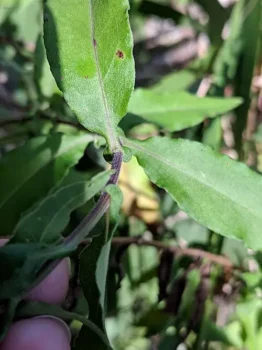
Climbing Aster: A Rare Gem for Native Plant Enthusiasts
If you’re a native plant enthusiast looking for something truly unique, you might want to get acquainted with climbing aster (Ampelaster). This lesser-known native genus is one of those hidden treasures that doesn’t show up in every garden center, but has plenty of character for those willing to seek it out.
What is Climbing Aster?
Climbing aster belongs to the Asteraceae family – the same plant family that gives us sunflowers, black-eyed Susans, and yes, other asters. As a perennial shrub, this woody plant typically develops multiple stems from or near the ground and usually stays under 13-16 feet tall, though it can occasionally grow taller or develop a single stem depending on environmental conditions.
Where Does Climbing Aster Call Home?
This native beauty is naturally found throughout the southeastern United States, specifically calling Florida, Georgia, Mississippi, North Carolina, and South Carolina home. It’s perfectly adapted to the climate and growing conditions of these southeastern states, making it a true regional native.
- Species observed
- No observations
Should You Grow Climbing Aster?
Here’s where things get interesting – and a bit challenging. Climbing aster is one of those native plants that hasn’t made it into mainstream horticulture yet. While this makes it incredibly special for native plant collectors, it also means that detailed growing information can be hard to come by.
The good news? As a native southeastern plant, it’s naturally adapted to the region’s climate and should theoretically thrive with minimal intervention once established. The not-so-good news? You might have a tough time finding it at your local nursery, and specific care instructions aren’t widely available.
What We Know About Growing Climbing Aster
While detailed horticultural information for climbing aster is limited, we can make some educated assumptions based on its native habitat and plant family characteristics:
- As a southeastern native, it’s likely adapted to warm, humid conditions
- Being in the Asteraceae family, it may share some characteristics with other asters
- Its shrubby nature suggests it could work well as a background plant or natural screen
- Native plants typically require less water and fertilizer once established
The Reality Check
Let’s be honest – climbing aster is more of a plant nerd’s plant than a beginner-friendly choice. If you’re new to native gardening, you might want to start with better-documented southeastern natives like Carolina jessamine, native azaleas, or spicebush before hunting down this elusive beauty.
However, if you’re an experienced native plant gardener who loves a challenge and wants something truly unique in your landscape, climbing aster could be worth the search. Just be prepared to do some detective work to find a source and to experiment with growing conditions.
Finding and Growing Tips
If you decide to pursue climbing aster, here are some strategies:
- Contact native plant societies in the southeastern states where it naturally occurs
- Check with specialty native plant nurseries in its native range
- Connect with other native plant enthusiasts who might have seeds or cuttings
- Consider participating in native plant swaps or sales
The Bottom Line
Climbing aster represents the wonderful diversity of our native flora, even if it’s not the easiest plant to find or grow. While we’d love to give you a complete growing guide, sometimes the most interesting natives are also the most mysterious. If you’re up for an adventure in native plant gardening and happen to stumble across climbing aster, consider yourself lucky – you’ve found a true southeastern native that few gardeners will ever encounter.
For most gardeners, though, there are plenty of other fantastic southeastern native asters and shrubs that are better documented and more readily available. Sometimes the best native plant for your garden is the one you can actually find and successfully grow!