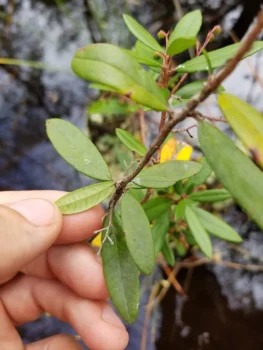
Climbing Fetterbush: A Rare Native Gem for Southeastern Gardens
If you’re looking to add a truly special native plant to your southeastern garden, let me introduce you to climbing fetterbush (Pieris phillyreifolia). This lesser-known member of the heath family is a genuine treasure that deserves more attention from native plant enthusiasts—though there’s an important conservation story that comes with it.
What Makes Climbing Fetterbush Special?
Climbing fetterbush is a perennial shrub with a unique scrambling growth habit that sets it apart from its more common Pieris cousins. This multi-stemmed woody plant typically stays under 13-16 feet tall, but what makes it really interesting is how it can climb and weave through other vegetation, creating natural layers in woodland settings.
The plant produces the classic urn-shaped white flowers that Pieris species are known for, creating a delicate display against its evergreen foliage. It’s not flashy, but it has that understated elegance that native plant lovers appreciate.
Where Does It Call Home?
This southeastern native has a relatively limited natural range, growing wild in Alabama, Florida, Georgia, Mississippi, and South Carolina. You’ll find it thriving in the coastal plain regions of these states, where it has adapted to the specific conditions of this unique ecosystem.
- Species observed
- No observations
A Word About Rarity
Here’s where things get serious: climbing fetterbush is considered vulnerable, with a global conservation status of S3. In Alabama, it’s even rarer with an S2 status. This means that while it’s not on the brink of extinction, it’s definitely not common and faces ongoing threats to its survival.
What does this mean for gardeners? If you want to grow climbing fetterbush, please only source it from reputable native plant nurseries that propagate their own stock rather than collecting from wild populations. Never dig plants from the wild—this could contribute to further population decline.
Growing Climbing Fetterbush Successfully
The good news is that if you can provide the right conditions, climbing fetterbush can be a rewarding addition to your native garden. Here’s what it needs to thrive:
Light and Location
- Partial shade to full shade works best
- Perfect for woodland gardens or naturalized areas
- Great choice for understory plantings
Soil Requirements
- Prefers moist, acidic soils
- Tolerates consistently wet conditions (it’s classified as a facultative wetland plant)
- Benefits from organic matter like leaf mold or compost
- Consider it for rain gardens or areas with poor drainage
Climate Considerations
Climbing fetterbush is suited for USDA hardiness zones 8-10, which aligns perfectly with its native southeastern range. If you’re gardening outside this range, this plant probably isn’t for you.
Garden Design Ideas
Think of climbing fetterbush as nature’s way of adding vertical interest to shaded areas. It works beautifully in:
- Native woodland gardens as an understory element
- Naturalized landscapes where you want authentic regional character
- Rain gardens or bioswales
- Conservation-focused gardens that support local ecosystems
Wildlife and Pollinator Benefits
Like other Pieris species, climbing fetterbush flowers attract native bees and other pollinators. By planting this native shrub, you’re supporting local wildlife that has evolved alongside these plants for thousands of years.
Care and Maintenance
Once established, climbing fetterbush is relatively low-maintenance:
- Keep soil consistently moist, especially during dry spells
- Mulch around the base to retain moisture and suppress weeds
- Minimal pruning needed—let it develop its natural form
- Watch for typical heath family issues like root rot in poorly drained soils
The Bottom Line
Climbing fetterbush is a plant for the thoughtful gardener who values conservation and authentic native landscapes. While its rarity means you’ll need to be extra careful about sourcing, successfully growing this vulnerable species in your garden can be a meaningful way to support conservation efforts.
If you’re passionate about southeastern native plants and can provide the right growing conditions, climbing fetterbush offers a unique opportunity to grow something truly special—just make sure you’re doing it responsibly. Your garden will gain a distinctive native shrub, and you’ll be helping preserve a piece of our natural heritage.