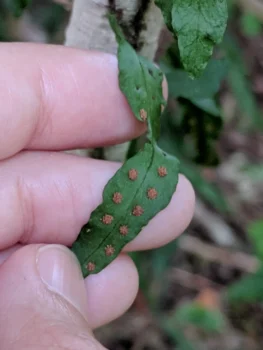
Clinging Snakefern: A Delicate Native Epiphyte for Tropical Gardens
If you’re looking to add some tropical flair to your garden while supporting native biodiversity, meet the clinging snakefern (Microgramma heterophylla). This charming little epiphyte might not be the showiest plant in your garden, but it brings a subtle elegance that’s hard to resist once you get to know it.
What Makes Clinging Snakefern Special?
The clinging snakefern is a true native treasure, naturally occurring in Florida, Puerto Rico, and the U.S. Virgin Islands. As a perennial fern, it’s built to last, creating long-term beauty in your landscape year after year. You might also see it listed under its scientific synonym, Polypodium heterophyllum, in older gardening references.
This delicate fern gets its clinging name from its epiphytic nature – it naturally grows on trees and other surfaces rather than in soil. Don’t worry though, it’s not a parasite! It simply uses its host for support while gathering moisture and nutrients from the air and rain.
- Species observed
- No observations
Why Grow Clinging Snakefern?
Here’s where this little fern really shines:
- Native plant benefits: Supporting local ecosystems by choosing native species
- Low maintenance: Once established, it’s surprisingly easy to care for
- Unique texture: Adds delicate, fine-textured foliage to contrast with broader-leaved plants
- Space-efficient: Perfect for small gardens since it grows vertically on trees or in hanging containers
- Conversation starter: Not many people grow epiphytic ferns, making this a unique addition
Where Does It Fit in Your Garden?
Clinging snakefern works beautifully in tropical and subtropical shade gardens, particularly in USDA hardiness zones 10-12. It’s perfect for creating that lush, jungle-like atmosphere without taking up precious ground space.
Consider using it as:
- A living accent on tree trunks
- A delicate addition to hanging basket collections
- Part of an epiphyte garden display
- A textural element in humid, shaded patios
Growing Conditions That Make It Happy
Like most epiphytes, clinging snakefern has some specific needs, but they’re not too demanding once you understand them:
- Light: Bright, indirect light – think dappled shade under trees
- Humidity: High humidity is essential; this isn’t a plant for dry climates
- Temperature: Warm temperatures year-round (it won’t tolerate frost)
- Air circulation: Good airflow prevents fungal issues
- Moisture: Consistent moisture without being waterlogged
Planting and Care Tips
Getting started with clinging snakefern is easier than you might think:
Mounting on trees: Secure the plant to tree bark using fishing line or plant ties. Choose trees with rough bark that provides good attachment points. The fern will eventually establish its own grip.
Container growing: Use a very well-draining, chunky potting mix designed for epiphytes (think orchid bark mix). Hanging baskets work wonderfully.
Watering: Water when the growing medium feels dry to the touch, but don’t let it get bone dry. In humid climates, rainfall may provide most of the moisture needed.
Fertilizing: Light feeding with diluted liquid fertilizer during the growing season is sufficient. Over-fertilizing can actually harm epiphytes.
Things to Keep in Mind
While clinging snakefern is a wonderful native plant, it’s definitely not for every garden. If you live outside zones 10-12, it won’t survive outdoors year-round. It also needs consistent humidity, so it’s not suitable for arid climates unless you can provide a very humid microenvironment.
As a fern, it won’t provide nectar for pollinators like flowering plants do, but it does contribute to the overall ecosystem by providing habitat and supporting the natural plant communities where it grows.
The Bottom Line
Clinging snakefern might not be the star of your garden show, but it’s the kind of plant that adds depth and authenticity to tropical landscapes. If you have the right growing conditions and appreciate subtle beauty, this native epiphyte could be the perfect addition to your plant collection. Plus, you’ll have the satisfaction of knowing you’re growing something truly native to your region – and that’s always worth celebrating!